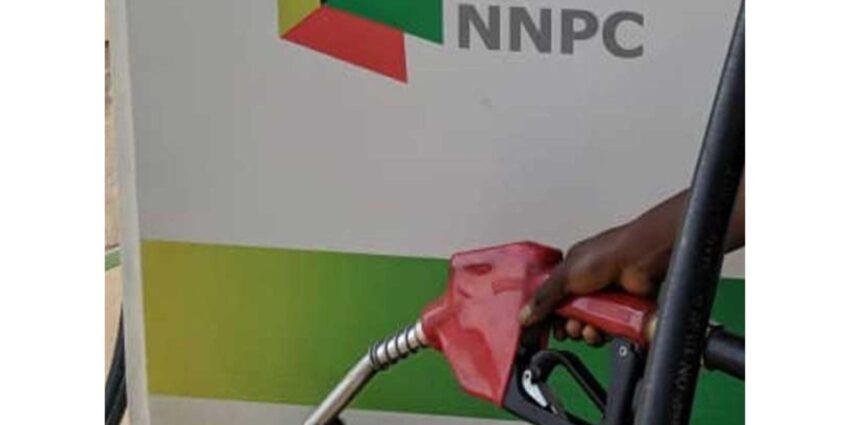
Nigeria has recorded a fresh adjustment in fuel prices following a directive by the Nigerian National Petroleum Company Limited (NNPC), offering temporary relief to motorists and businesses grappling with rising transportation and energy costs.
The latest price drop, which took effect across several states, comes amid sustained public pressure over the cost of living and mounting concerns about inflation driven largely by energy expenses. While prices vary by location, many filling stations operated by NNPC and its partners have begun selling petrol at lower rates compared to previous weeks.
The development has been welcomed by commuters, transport operators and small business owners, many of whom have struggled to cope with escalating fuel prices since subsidy reforms reshaped Nigeria’s downstream petroleum sector.
What Triggered the Latest Fuel Price Adjustment
Industry sources say the price reduction is linked to improved supply logistics and adjustments in crude oil sourcing costs, as well as internal pricing reviews by NNPC. Although the company has not issued a formal nationwide price template, the adjustment reflects ongoing efforts to stabilise the fuel market amid economic headwinds.
Since the deregulation of petrol pricing, fuel costs in Nigeria have largely been influenced by global crude prices, exchange rate movements and local distribution challenges. The recent moderation suggests a temporary easing of some of these pressures.
Energy analysts note that while the drop may not signal a long-term reversal, it indicates that pricing under the deregulated regime can fluctuate in response to market conditions rather than remain permanently elevated.
Relief for Motorists and Transport Operators
Across major cities including Lagos, Abuja, Ibadan and Port Harcourt, transport operators say the reduction has brought slight relief, particularly for commercial drivers who depend heavily on daily fuel purchases.
Commuters also expressed cautious optimism, hoping the adjustment would translate into lower transport fares. However, many transport unions have advised members to observe price stability over time before reviewing fare structures.
For households, fuel prices directly affect electricity generation through petrol-powered generators, a common alternative amid inconsistent public power supply. Any reduction, even marginal, eases daily expenses for families and small enterprises.
Business Community Reacts to Price Drop
Small and medium-sized enterprises (SMEs), especially those in logistics, retail and food distribution, have welcomed the development. Fuel remains a major operating cost for businesses that rely on transportation and private power generation.
Business owners, however, warned that inconsistent pricing could still disrupt planning and budgeting. Many stressed the need for clearer communication from authorities to help businesses anticipate future changes.
Economists argue that stable energy pricing is crucial for taming inflation, as fuel costs ripple through food prices, transport fees and service charges.
Experts Warn Against Over-Optimism
Despite the positive reaction, energy experts caution against assuming the price drop will be permanent. Global oil price volatility, foreign exchange fluctuations and infrastructure constraints remain significant risk factors.
Nigeria’s dependence on imported refined petroleum products continues to expose local prices to international market shocks. Although domestic refining capacity is improving, analysts say it will take time before local production significantly shields consumers from global price swings.
Experts also point out that deregulation means fuel prices can move both downward and upward, depending on prevailing market forces.
Government and NNPC’s Position
While NNPC has yet to issue a detailed statement outlining the duration of the adjustment, officials have repeatedly maintained that deregulation aims to create a more transparent and market-driven fuel sector.
Government representatives insist that the new pricing regime, though challenging in the short term, will attract investment, improve supply efficiency and reduce the fiscal burden previously associated with fuel subsidies.
They also argue that market competition among marketers could help moderate prices over time, especially as local refining capacity expands.
Public Calls for Long-Term Stability
Many Nigerians have urged authorities to focus on long-term solutions rather than short-term adjustments. Calls have intensified for improved local refining, better transport infrastructure and policies that stabilise the naira, all of which influence fuel pricing.
Civil society groups have also stressed the importance of protecting vulnerable populations, noting that fuel price increases disproportionately affect low-income earners.
As Nigerians monitor developments closely, expectations remain cautious, with many hoping the current price drop will be sustained long enough to ease pressure on households and businesses.
What This Means Going Forward
The latest fuel price adjustment underscores the realities of Nigeria’s deregulated petroleum market, where prices are no longer fixed but shaped by economic conditions.
While the reduction offers temporary relief, analysts say sustained benefits will depend on broader economic reforms, improved energy infrastructure and consistent policy direction.
For now, motorists and businesses are enjoying a brief reprieve, even as uncertainty continues to hover over the country’s energy landscape.