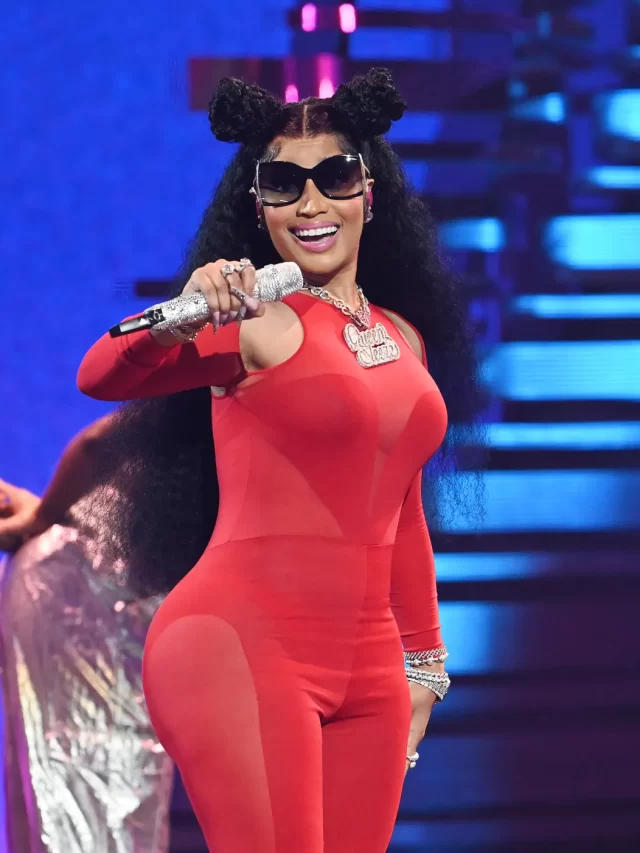
Nicki Minaj is trending once again, and as has often been the case throughout her career, the reason goes beyond a single post or moment. The rapper’s name surged across social media platforms and search engines following a combination of recent online reactions, renewed industry debates, and fan-driven conversations that have brought her influence, controversies, and cultural relevance back into sharp focus.
In an era where attention spans are short and relevance is fleeting, Nicki Minaj’s ability to remain at the centre of global conversation more than a decade into her career continues to stand out.
The Immediate Trigger Behind the Trend
Nicki Minaj’s latest spike in online searches was triggered by her reaction to ongoing industry conversations, including commentary around chart performance, recognition, and the treatment of female artists in hip-hop. Clips, quotes, and screenshots tied to her recent statements circulated rapidly on X (formerly Twitter), Instagram, and TikTok, drawing both support and criticism.
As often happens with Nicki Minaj, even brief remarks were enough to ignite wider debates — not just about her, but about gender dynamics in the music industry, fan culture, and the role of legacy artists in a rapidly evolving digital music landscape.
Within hours, “Nicki Minaj” began trending globally, with fans dissecting every angle of the moment while critics weighed in with counter-arguments.
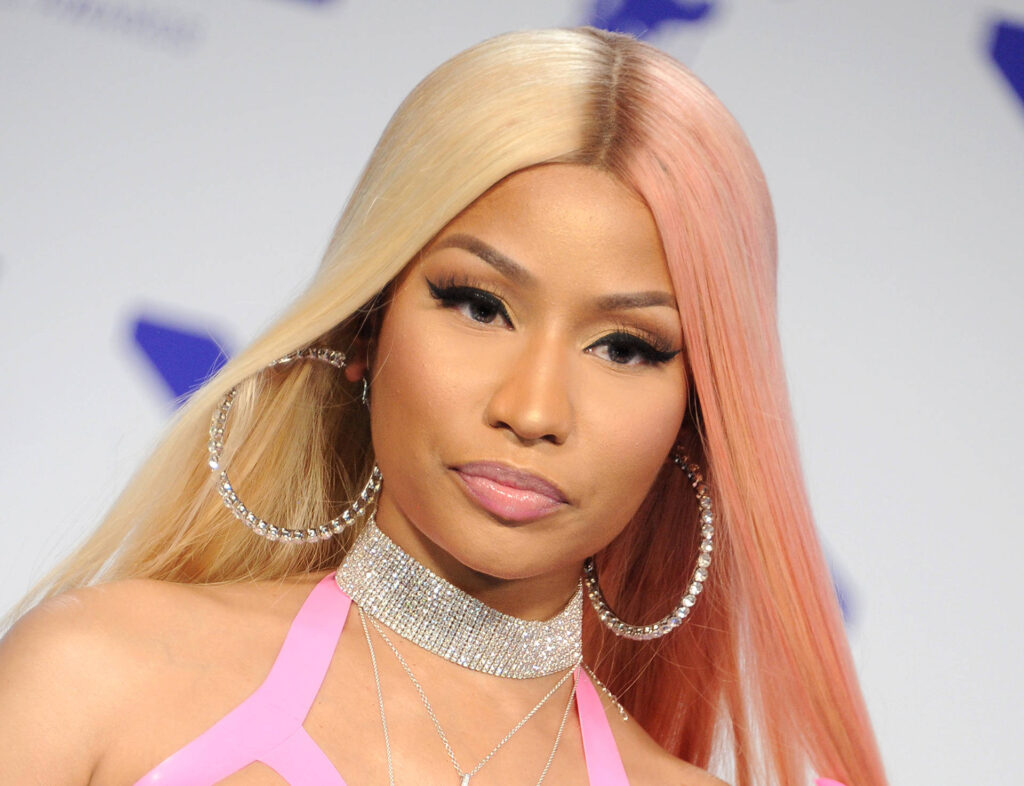
Nicki Minaj’s name surged across social media and search platforms following renewed industry conversations around influence, recognition, and legacy.
A Career Built on Cultural Impact, Not Silence
Nicki Minaj’s trend cycles are rarely accidental. Since breaking into mainstream hip-hop in the late 2000s, she has established herself as an artist who refuses to be passive in conversations that affect her work or legacy.
From early hits like Super Bass to later chart-toppers and collaborations, Minaj reshaped what mainstream female rap could look and sound like. She brought theatricality, alter egos, aggressive lyricism, and pop crossover appeal into a space that had long been tightly controlled.
That influence is central to why her name still commands attention. When discussions emerge about awards, streaming numbers, or industry acknowledgment, Nicki Minaj is often placed at the centre — whether by fans defending her impact or critics questioning her responses.
Fan Loyalty and the Power of the “Barbz”
Another key reason Nicki Minaj trends so easily is the unmatched loyalty of her fanbase, widely known as the Barbz. In the modern music era, fandoms are no longer passive consumers; they are active participants in shaping narratives.
The Barbz mobilise quickly:
- Amplifying her statements
- Defending her legacy
- Challenging media narratives
- Driving hashtags into trending lists
This digital mobilisation turns even minor moments into viral events, ensuring that conversations around Nicki Minaj rarely remain small or isolated.
At the same time, the intensity of her fanbase also fuels backlash, creating a cycle where support and criticism feed into each other — and keep her name visible across platforms.
Industry Tensions and Unresolved Conversations
Nicki Minaj’s trend moments often revive long-standing tensions within the music industry, particularly around:
- Recognition of female rappers
- Award nominations and omissions
- Streaming metrics versus cultural impact
- Media framing of outspoken women
For years, Minaj has argued that her contributions have not always been fairly acknowledged relative to her influence and longevity. These claims resurface whenever similar debates emerge involving newer artists or major industry events.
Whether one agrees with her position or not, the fact remains that her voice continues to shape how these discussions unfold.
The Double-Edged Sword of Visibility
Being constantly visible comes with costs. While Nicki Minaj’s relevance keeps her career in the spotlight, it also means that every reaction is scrutinised, often stripped of nuance in the rush for viral content.
Short clips circulate without context. Screenshots become headlines. Opinions harden quickly on both sides. In this environment, Minaj exists as both an artist and a symbol — representing broader conversations about power, gender, success, and resistance in pop culture.
This dynamic explains why her name trends even when she is not releasing new music or announcing major projects. She has become a figure people project debates onto, making her presence unavoidable in moments of cultural tension.
A Legacy That Refuses to Fade
Few artists maintain Nicki Minaj’s level of relevance over such a long period. Her ability to trend is not solely about controversy; it is about cultural memory.
She is referenced in:
- New artists’ lyrics
- Online debates about rap history
- Fan comparisons across generations
- Industry discussions about influence
As hip-hop continues to evolve, Minaj’s career is increasingly viewed through a legacy lens. That shift naturally brings renewed scrutiny — and renewed appreciation — especially as conversations about pioneers and trailblazers gain prominence.
Why This Moment Matters
Nicki Minaj trending again is not just about one statement or reaction. It reflects how modern celebrity works: relevance is sustained not only by output, but by presence, personality, and positioning.
In a digital culture driven by algorithms and engagement, Nicki Minaj remains uniquely capable of cutting through the noise. Love her or criticise her, audiences continue to watch, react, and respond.
That attention — constant, polarising, and global — is ultimately why her name keeps resurfacing.
What Happens Next
As with previous trend cycles, this moment will likely settle, only to resurface again when the next industry flashpoint appears. Whether through music releases, public commentary, or fan-driven conversations, Nicki Minaj’s role in pop culture remains active rather than archival.
In an industry that often moves on quickly, her ability to still dominate discourse speaks to something deeper than controversy: enduring influence.