By Rose Graham
As the sun begins to set in many Nigerian cities, a noticeable change takes place.
Roads that once remained busy until midnight begin to empty earlier. Restaurants that previously welcomed dinner guests late into the evening now see customers rushing to leave before darkness fully sets in. Ride-hailing drivers become more selective about destinations, while event organisers increasingly schedule programmes to end earlier than they did just a few years ago.
For many Nigerians, these changes have become so gradual that they almost seem normal.
But behind this new routine lies a deeper issue that is quietly reshaping urban life across the country.
Growing concerns about insecurity have altered not only how people travel but also how they socialise, work, spend money and enjoy their evenings.
While official crime statistics remain an important measure of security, the daily behaviour of ordinary Nigerians tells another story—one where fear is influencing economic activity long after office hours have ended.
The Night Economy: An Overlooked Driver of Growth
Economists use the term “night economy” to describe all business activities that take place during the evening and overnight hours.
This includes:
- Restaurants
- Hotels
- Bars and lounges
- Cinemas
- Shopping malls
- Food vendors
- Ride-hailing services
- Fuel stations
- Event centres
- Night markets
- Live entertainment
- Street food businesses
In many developed cities around the world, the night economy contributes billions of dollars annually to economic growth while creating employment for thousands of people.
Although Nigeria’s night economy is less formally measured, it remains a vital source of income for millions of workers and small business owners.
From suya sellers and roadside food vendors to hotel operators and taxi drivers, countless livelihoods depend on people feeling comfortable enough to stay out after dark.
“People Just Want to Get Home”
Across major Nigerian cities, one phrase has become increasingly common.
“Let’s leave before it gets late.”
Whether attending business meetings, birthday parties, church programmes or family gatherings, many Nigerians now plan their activities around getting home before nightfall.
For parents, this often means limiting children’s evening outings.
For young professionals, it means skipping after-work social events.
For businesses, it means losing valuable evening customers.
While every city experiences different security challenges, the growing preference to avoid unnecessary nighttime movement reflects a wider change in public behaviour.
The result is fewer people spending money after sunset—a trend that affects businesses of every size.
Restaurants, Lounges and Food Vendors Feel the Difference
For restaurant owners, evenings have traditionally been the busiest period of the day.
Dinner reservations, birthday celebrations, after-work meetings and weekend outings once generated a significant share of daily revenue.
Today, some business owners say customers increasingly choose lunchtime meetings or early dinners instead.
Others order food online rather than dining out.
Street food vendors also experience changes in customer behaviour.
In many neighbourhoods, traders report that demand begins dropping much earlier than before as residents rush home.
Although food delivery services have helped some businesses adapt, not every restaurant or roadside vendor has the resources to maintain an efficient delivery operation.
Ride-Hailing Drivers Face Difficult Choices
For thousands of Uber, Bolt and inDrive drivers, nighttime has traditionally offered the highest earning potential.
Higher demand, surge pricing and airport trips often made evenings the most profitable part of the day.
However, security concerns have introduced new challenges.
Some drivers now avoid accepting trips to unfamiliar areas after dark.
Others reject long-distance rides that take them through isolated roads.
Passengers have also become more cautious, often sharing trip details with family members or cancelling rides if they feel uncomfortable.
The result is a transportation system operating under increased caution from both drivers and passengers.
Hotels, Event Centres and Cinemas Are Feeling the Impact
Nigeria’s hospitality industry has always relied heavily on evening activities.
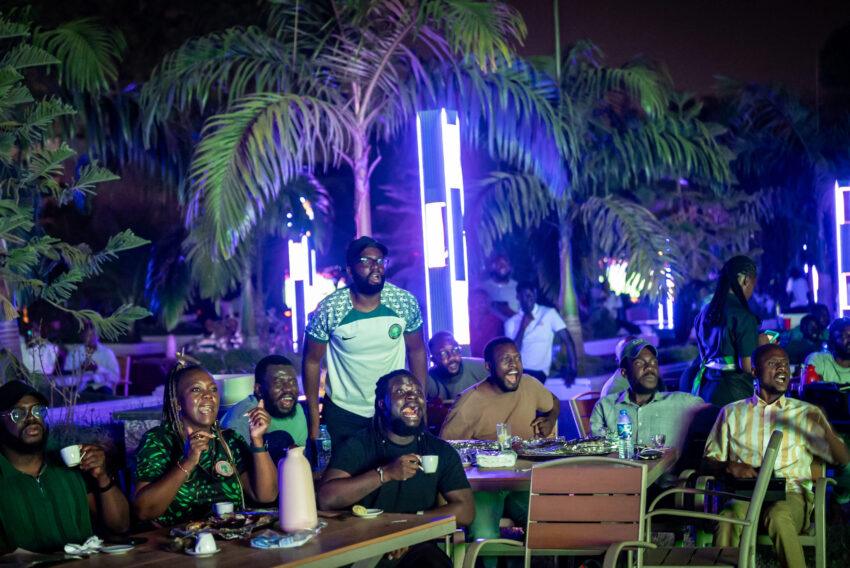
Hotels host conferences that extend into networking dinners, event centres come alive with weddings and celebrations, cinemas attract moviegoers after work, while lounges and recreational centres often record their highest patronage at night.
However, security concerns have gradually changed consumer behaviour.
Many event planners now schedule weddings and social events much earlier in the day to ensure guests return home before dark.
Corporate organisations increasingly organise daytime conferences instead of evening dinners.
Even birthday celebrations, concerts and networking events are ending earlier than they once did.
For business owners, this means fewer hours to generate revenue and reduced spending by customers.
The change may appear subtle, but over weeks, months and years, it represents a significant economic shift.
Shopping Malls Are Losing Their Evening Rush
Only a few years ago, many shopping malls across Lagos, Abuja, Port Harcourt, Benin City and other urban centres experienced their busiest periods after office hours.
Families stopped by supermarkets after work.
Young people visited cinemas.
Friends met for dinner.
Parents shopped with children during the evening.
Today, many shoppers prefer completing errands before sunset.
Retailers say customers increasingly choose weekend mornings or afternoons instead of evening visits.
The consequence is reduced evening foot traffic, affecting everyone from supermarkets and fashion stores to pharmacies and small kiosks operating inside malls.
Small Businesses Feel It the Most
Large companies may survive periods of reduced customer activity, but small businesses often cannot.
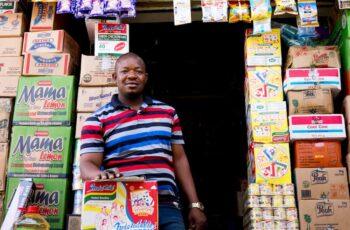
Street food vendors, fruit sellers, suya operators, roadside cafés, newspaper vendors and informal traders depend heavily on spontaneous evening purchases.
For many of these entrepreneurs, every additional hour of business directly affects household income.
When customers leave the streets earlier, earnings decline.
Some traders have responded by shortening operating hours to reduce exposure to potential security risks.
Others continue operating despite concerns because they simply cannot afford to close early.
This difficult balance between personal safety and economic survival has become an everyday reality for thousands of Nigerians.
Young Nigerians Are Missing Out on Opportunities
The shrinking night economy is affecting more than businesses.
It is also limiting opportunities for young people.
Many students, freelancers and entrepreneurs rely on evening networking events, workshops, technology meetups and creative industry gatherings to build careers and professional relationships.
As more organisations reduce nighttime activities, these opportunities become less frequent.
Young creatives in music, film, fashion and technology have also noticed changes.
Product launches, exhibitions and entertainment events increasingly finish earlier, reducing opportunities for networking and collaboration.
Over time, this affects innovation, entrepreneurship and career development.
The Cost to Tourism and Entertainment
Nigeria has worked for years to position cities such as Lagos, Calabar and Abuja as destinations for business tourism, entertainment and cultural experiences.
A vibrant nightlife contributes significantly to that image.
Visitors often judge cities not only by daytime attractions but also by whether they feel comfortable exploring restaurants, live music venues and cultural events after sunset.
When concerns about security dominate public conversations, tourism can suffer.
International visitors may shorten their stays.
Domestic tourists may postpone leisure trips.
Hotels and entertainment businesses consequently lose potential revenue.
Security Is Also an Economic Issue
Economists frequently describe security as one of the foundations of sustainable economic development.
Without confidence in personal safety, consumers spend less.
Businesses invest more cautiously.
Entrepreneurs become reluctant to expand.
Investors reconsider long-term commitments.
The effects extend beyond crime statistics.
They influence employment, taxation, commerce, transportation and national productivity.
In this sense, strengthening security is not simply about reducing criminal activity.
It is also about restoring economic confidence.
Communities Are Adapting
Despite these challenges, Nigerians continue demonstrating resilience.
Residential estates increasingly employ private security personnel.
Neighbourhood associations organise patrols and emergency response systems.
Many businesses install surveillance cameras, improved lighting and controlled access points.
Technology has also become part of the response.
Live location sharing, emergency mobile applications, digital neighbourhood groups and smart security devices are becoming increasingly common.
These measures cannot replace effective policing, but they illustrate how communities are adapting to changing realities.
Can Nigeria Rebuild a Thriving Night Economy?
Experts believe the answer is yes—but only through sustained improvements in public safety.
Successful cities around the world share one important characteristic.
People feel confident enough to work, socialise, shop and travel at any reasonable hour without constant fear.
Achieving that confidence requires consistent law enforcement, effective intelligence gathering, rapid emergency response, improved street lighting, reliable transportation and close collaboration between communities and security agencies.
It also requires visible results.
People regain confidence not through promises but through everyday experiences that reinforce a sense of safety.
A Quiet Transformation Taking Place
Perhaps the most striking aspect of Nigeria’s changing night economy is that it has happened gradually.
There was no single day when restaurants became quieter.
No single announcement that people should stop going out after dark.
Instead, millions of individual decisions—leaving work earlier, cancelling evening outings, avoiding unfamiliar routes and choosing daytime activities—have collectively reshaped urban life.
These behavioural changes rarely make newspaper headlines.
Yet they reveal just as much about public confidence as official statistics.
Final Thoughts
A thriving night economy is often seen as a sign of a confident, dynamic and growing society.
It reflects people who feel secure enough to enjoy their cities beyond working hours.
Nigeria possesses the creativity, entrepreneurial spirit and youthful population needed to sustain vibrant urban nightlife.
However, maintaining that vibrancy requires more than economic policies.
It requires an environment where people feel safe enough to participate.
As security challenges continue to evolve, restoring public confidence will remain just as important as restoring public order.
Only then can restaurants stay open later, entertainment venues flourish, businesses grow confidently and Nigerian cities once again enjoy the full economic and social benefits of life after dark.
Frequently Asked Questions
What is the night economy?
The night economy refers to businesses and economic activities that operate during evening and nighttime hours, including restaurants, hotels, cinemas, transportation, entertainment and retail.
How does insecurity affect the night economy?
When people avoid going out after dark because of safety concerns, businesses receive fewer customers, reduce operating hours and generate less revenue.
Which businesses are most affected?
Restaurants, hotels, event centres, cinemas, ride-hailing services, roadside food vendors, supermarkets, lounges and entertainment venues are among those most affected.
Why is the night economy important?
A healthy night economy creates jobs, supports tourism, encourages investment and contributes significantly to urban economic growth.
Related Stories
Protect Yourself Physically and Spiritually – Odumeje Warns Nigerians Over Rising Insecurity
FG Orders Banks, Others to Freeze Assets of Terrorism Financiers