By Desmond Ogbonmwan
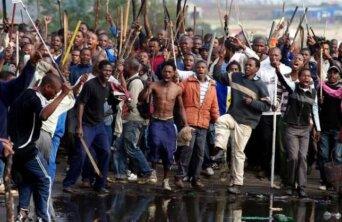
Whenever xenophobic tensions flare in South Africa, public attention often focuses on dramatic images of damaged shops, frightened families and emergency evacuations.
Far less attention is given to another important question:
What happens to the businesses left behind?
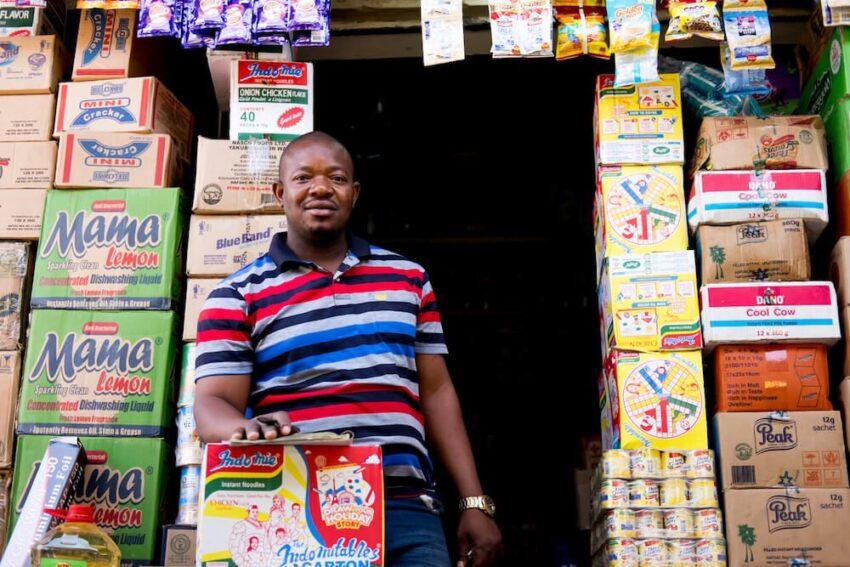
Across Johannesburg, Pretoria, Cape Town, Durban and other cities, thousands of Nigerians have spent years building companies, creating jobs and investing in local communities.
Some arrived as students before becoming entrepreneurs.
Others started with small informal businesses and gradually expanded into successful enterprises employing dozens of people.
For many South Africans, these businesses have become part of everyday life.
Customers visit Nigerian-owned restaurants, buy goods from retail stores, use logistics companies, attend entertainment events and receive professional services without necessarily considering who owns the business.
Yet when xenophobic violence erupts, many of these investments are suddenly placed at risk.
Understanding the economic role played by Nigerian entrepreneurs helps explain why the current discussions about compensation extend far beyond individual financial losses.
They involve businesses that have contributed to South Africa’s economy for many years.
Why Nigerians Chose South Africa
South Africa has long attracted entrepreneurs from across Africa because of its relatively developed financial system, transport infrastructure and large consumer market.
For Nigerian business owners, the country offered opportunities to reach customers, build regional trade networks and access markets that were sometimes difficult to serve from West Africa.
Some entrepreneurs relocated permanently.
Others maintained businesses in both Nigeria and South Africa, creating commercial links between the two countries.
Over time, these investments strengthened trade relationships while expanding opportunities for employment and business partnerships.
From Small Shops to Growing Enterprises
Contrary to common stereotypes, Nigerian-owned businesses in South Africa span a wide range of industries.
Many began as modest operations before expanding through years of hard work and reinvestment.
Examples include:
- neighbourhood supermarkets
- restaurants serving African cuisine
- logistics and courier services
- fashion boutiques
- beauty salons and barbershops
- mobile phone and electronics stores
- technology companies
- import and export businesses
- event management firms
- professional consulting services
Some entrepreneurs also operate manufacturing businesses supplying goods to wholesalers and retailers.
Others have invested in real estate, transportation and digital commerce.
Together, these businesses form an important part of local commercial activity.
Job Creation Often Goes Unnoticed
One of the biggest misconceptions surrounding migration is that foreign entrepreneurs only compete for opportunities.
In reality, successful businesses frequently create employment.
Many Nigerian-owned enterprises hire South African citizens for roles in customer service, logistics, administration, security, accounting, sales and operations.
As businesses grow, so does their need for suppliers, maintenance services, transportation providers and other supporting industries.
This creates indirect employment beyond the business itself.
Economists often describe this as the multiplier effect—where one successful enterprise generates opportunities for many others within the local economy.
Paying Taxes and Supporting Local Economies
Like other registered businesses, many Nigerian-owned companies contribute through taxation, business licensing fees, commercial rent and utility payments.
They purchase inventory from wholesalers, rent retail space, pay for transportation and engage local contractors for repairs and maintenance.
Their customers include both migrants and South African citizens.
This spending circulates through the wider economy, supporting landlords, suppliers, distributors and service providers.
While debates about migration often focus on competition, these economic contributions receive much less public attention.
Building Trade Links Between West and Southern Africa
Many Nigerian entrepreneurs also serve as commercial bridges between West Africa and Southern Africa.
Importers bring products from Nigeria to South African markets while exporters identify opportunities to distribute South African goods elsewhere on the continent.
These commercial relationships support broader goals promoted under the African Continental Free Trade Area (AfCFTA), which aims to encourage greater trade among African nations.
Cross-border entrepreneurs frequently possess cultural knowledge, language skills and business networks that make regional commerce easier.
Their activities help connect markets that might otherwise remain isolated.
More Than Business Owners
Many Nigerians living in South Africa are not only entrepreneurs.
They are also:
- university lecturers
- healthcare professionals
- engineers
- software developers
- musicians
- filmmakers
- academics
- researchers
- students
- clergy members
Their contributions extend into education, healthcare, technology, entertainment and community development.
Recognising this diversity helps avoid reducing an entire community to a single stereotype.
When Businesses Close, Entire Communities Feel the Impact
The consequences of xenophobic violence extend far beyond the business owner whose shop is attacked or whose family is forced to leave.
When a business closes unexpectedly, employees lose jobs, landlords lose tenants, suppliers lose customers and neighbourhoods lose access to services they may have depended on for years.
A restaurant that closes affects food suppliers, delivery drivers and cleaners.
A logistics company that shuts down disrupts supply chains for other businesses.
A beauty salon that relocates affects wholesalers supplying cosmetics and hair products.
Economists often describe these effects as “economic ripple effects” because the impact spreads through multiple sectors of the economy.
This is why attacks targeting businesses ultimately affect far more people than those directly involved.
The Hidden Cost of Abandoned Investments
One of the most painful aspects of forced migration is leaving behind assets built over many years.
Some Nigerian entrepreneurs have invested their life savings into commercial properties, equipment, inventory and business expansion.
When violence erupts, there is often little time to organise an orderly exit.
Many business owners leave behind:
- stocked warehouses
- delivery vehicles
- office equipment
- computers
- furniture
- rental deposits
- business records
- inventory worth millions of naira
For many families, these are not just business assets.
They represent years of sacrifice, long working hours and financial risks taken to build a better future.
Replacing those investments after returning to Nigeria may take many more years—if it is possible at all.
Entrepreneurship Requires Stability
Business confidence depends on predictability.
Entrepreneurs invest when they believe their businesses, employees and customers can operate safely.
Repeated outbreaks of violence create uncertainty.
Even business owners who are not directly affected may postpone expansion plans because they fear future instability.
Some may decide against opening additional branches.
Others may relocate investments elsewhere.
This uncertainty affects both local entrepreneurs and foreign investors considering South Africa as a destination for business.
Maintaining public safety is therefore not only a security issue but also an economic one.
Why Compensation Matters
The Nigerian government’s decision to document abandoned businesses and seek compensation reflects a broader principle.
When citizens suffer significant financial losses because of extraordinary circumstances, governments often explore diplomatic and legal avenues to protect their interests.
Compensation cannot erase emotional trauma or recover years of hard work overnight.
However, it may help affected families rebuild businesses, secure housing and restart their lives.
Any successful compensation process would likely require careful documentation of ownership, valuations and evidence linking losses to the unrest.
For this reason, officials have encouraged returnees to keep records relating to their businesses and other valuable assets.
The Bigger Picture: Africa’s Economic Integration
The conversation extends beyond Nigeria and South Africa.
African governments have spent years encouraging regional trade through the African Continental Free Trade Area (AfCFTA), which aims to increase commerce between African countries.
Entrepreneurs are expected to play a central role in achieving that vision.
Cross-border businesses create employment, strengthen supply chains and encourage innovation.
However, these benefits depend on confidence.
Business owners must believe they can invest in neighbouring countries without fearing discrimination or violence.
If recurring xenophobic tensions discourage entrepreneurs from expanding across borders, the continent’s broader economic ambitions could also be affected.
Protecting legitimate businesses, regardless of the owner’s nationality, supports long-term regional development.
Nigerians Abroad Continue to Contribute
Despite recent events, it is important to recognise that Nigerians living abroad continue to make valuable contributions in many countries.
Across Africa, Europe, North America and Asia, Nigerian professionals and entrepreneurs work in sectors including healthcare, education, finance, engineering, technology, entertainment and manufacturing.
Their businesses generate employment, introduce new ideas and strengthen economic ties between countries.
These contributions demonstrate that migration is not solely about people seeking opportunities.
It is also about people creating opportunities for others.
Recognising those positive contributions helps create a more balanced understanding of migration and entrepreneurship.
Lessons for Policymakers
The recurring tensions highlight several important lessons.
Governments must continue improving immigration systems while ensuring lawful residents receive equal protection under the law.
Law enforcement agencies should respond quickly to criminal activity regardless of the nationality of victims or suspects.
Community engagement programmes can help reduce misinformation and improve relationships between local residents and migrant communities.
Business organisations can also play a role by encouraging dialogue and supporting entrepreneurs affected by crises.
Long-term solutions require cooperation rather than confrontation.
Final Thoughts
The story of Nigerian-owned businesses in South Africa is ultimately a story about ambition, resilience and opportunity.
Thousands of entrepreneurs crossed borders not to take opportunities away from others but to build businesses, create employment and improve the lives of their families.
Many succeeded.
Some built companies that became respected members of their communities.
Others are now facing one of the greatest challenges of their lives after being forced to leave investments they spent years creating.
As discussions continue regarding compensation and future diplomatic engagement, one fact remains clear:
Behind every abandoned shop, restaurant or logistics company is a personal story of determination, sacrifice and hope.
Protecting those investments is not simply about recovering financial losses.
It is about recognising the important role entrepreneurs play in building stronger economies across Africa.
Frequently Asked Questions
What types of businesses do Nigerians own in South Africa?
Nigerians operate businesses in retail, hospitality, logistics, fashion, beauty services, technology, consulting, entertainment, import-export and several other industries.
Do Nigerian-owned businesses employ South Africans?
Many do. As businesses expand, they often employ local residents in administration, sales, logistics, customer service, security and other roles.
Why are some businesses being abandoned?
Renewed xenophobic tensions have prompted some entrepreneurs to leave South Africa for safety, forcing them to leave businesses and valuable assets behind.
Why is Nigeria seeking compensation?
The Federal Government says many returnees abandoned businesses, homes and other valuable property. Officials intend to document these losses while pursuing diplomatic discussions regarding possible compensation.
Why are migrant-owned businesses important?
They contribute to economic growth through investment, job creation, tax payments, trade and commercial activity while strengthening business links between African countries.
Related Stories
FG Seeks Compensation for Nigerians’ Abandoned Properties as South Africa Evacuation Continues
Why Xenophobic Attacks Keep Returning in South Africa: Understanding the Causes and Impact
Photos: Second Batch of Nigerians Evacuated From South Africa Arrive Lagos
Ghanaian Evacuee Sparks Debate With Claim After South Africa Xenophobia Scare