More than a decade after Libya’s violent uprising, the deaths of Muammar Gaddafi’s sons continue to resurface in global conversations — not just as history, but as a warning about how absolute power collapses.
Once symbols of privilege, fear, and unchecked authority, Gaddafi’s sons met dramatically different fates as their father’s four-decade rule crumbled under rebellion and foreign intervention.
The deaths of several sons of former Libyan leader Muammar Gaddafi remain one of the most haunting chapters of Libya’s modern history, resurfacing again in global conversations as debates about authoritarian rule, revolutions, and political legacies trend online.
For more than four decades, Gaddafi ruled Libya with an iron grip, positioning his children as extensions of his power — some groomed for leadership, others for military dominance. When Libya erupted in a popular uprising in 2011, the war did not only dismantle a regime; it tore apart an entire family.
Sons Killed During the Libyan Uprising
One of the earliest and most symbolic deaths was that of Saif al-Arab Gaddafi, who was killed during a NATO airstrike in Tripoli in April 2011. Libyan officials at the time said the strike targeted a command facility, but it also hit a residential compound, killing Saif al-Arab and several of Gaddafi’s grandchildren.
Months later, as rebel forces closed in on the regime, Mutassim Gaddafi, a prominent figure in Libya’s security structure, was captured in Sirte — his father’s hometown — and later killed under circumstances that drew international scrutiny and condemnation.
Another son, Khamis Gaddafi, who commanded one of Libya’s most feared elite military units, also died during clashes with opposition forces near the end of the war. His death marked the collapse of the last organised resistance loyal to the Gaddafi family.
A Son Who Survived — and Returned
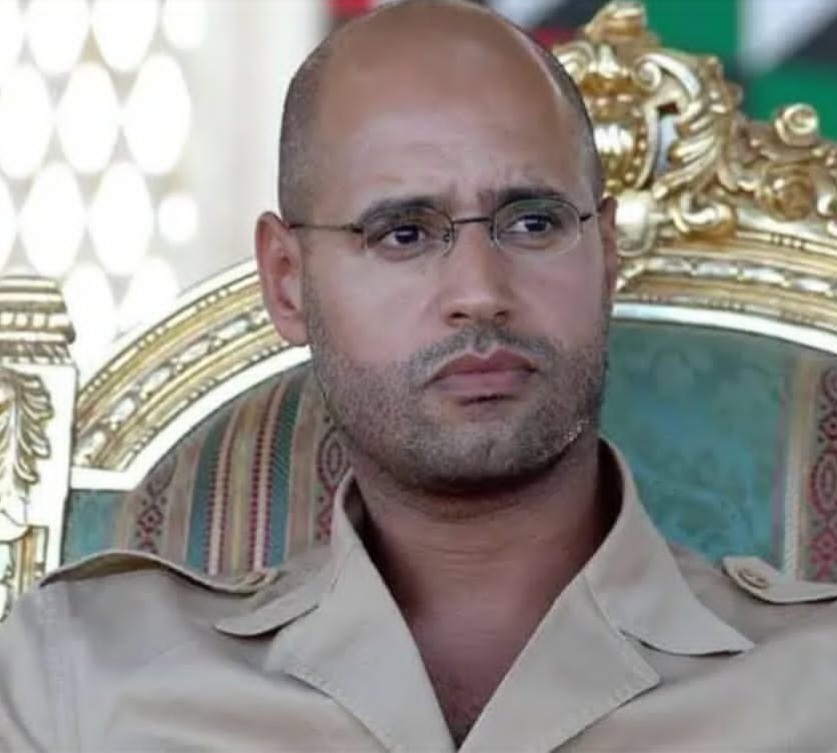
Not all of Gaddafi’s sons died in the conflict. Saif al-Islam Gaddafi, once seen as the regime’s potential reformist heir, survived the war after being captured by militia forces. He later resurfaced years afterward, re-entering Libya’s political conversation and even signalling interest in leadership — a move that reignited painful memories for many Libyans.
The Fall of a Dynasty
The deaths of Gaddafi’s sons symbolised more than battlefield losses. They marked the complete collapse of a ruling dynasty that once seemed untouchable. For supporters of the uprising, their deaths represented the end of decades of repression. For critics of the war, they became reminders of how revolutions can descend into chaos and unresolved justice.
More than a decade later, Libya continues to struggle with political fragmentation, rival governments, and instability — raising questions about whether the violent end of the Gaddafi era delivered the future many hoped for.
As global interest in Middle Eastern and North African politics resurfaces, the fate of Gaddafi’s sons remains a powerful reminder of how absolute power, once challenged, can collapse with devastating speed.