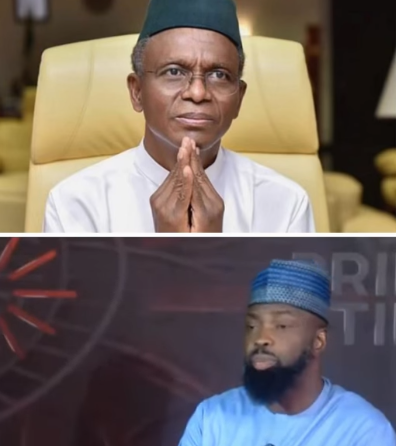
Music executive Audu Maikori has criticised former Kaduna State governor Nasir El-Rufai following last week’s incident at the Nnamdi Azikiwe International Airport in Abuja.
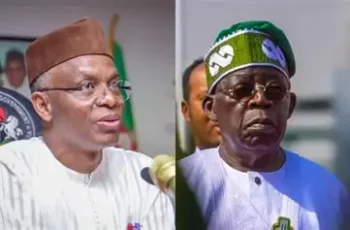
El-Rufai, who has been openly critical of the Tinubu administration, was reportedly approached by security agents shortly after landing in Abuja. According to reports, the former governor refused to accompany the officers, insisting that they neither presented a warrant nor issued a prior invitation.
The incident quickly sparked debate online, with some Nigerians accusing El-Rufai of double standards.
“There Is a Difference Between Prosecution and Persecution”
Speaking during an interview on Arise TV, Audu Maikori revisited his own experience in 2017 when he was arrested during El-Rufai’s time as governor.
Maikori was initially detained over comments he posted on social media concerning the Southern Kaduna killings. At the time, he had shared claims made by his driver about the alleged killing of the driver’s brother and friends, said to be students of Kaduna State College of Education.
Further investigation later revealed that the story was false. The driver reportedly fabricated the claim in an attempt to gain sympathy and financial support. Maikori issued a public apology and retraction after discovering the truth.
Despite this, he was arrested and prosecuted. According to Maikori, even after being cleared by the police, he was re-arrested.
“There is a difference between prosecution and persecution,” Maikori said during the interview. “What I went through with El-Rufai and many others was persecution.”
He explained that after his initial arrest in February 2017, his driver was brought to Abuja, where he confessed to lying. Maikori was discharged.
However, he alleged that shortly after his release, the Kaduna State Government pushed for further action.
“A governor doesn’t sit down and start doing the job of the police. His job was to report the matter and let the police handle it — and the police did,” he stated.
Allegations of Hypocrisy
Maikori argued that El-Rufai’s current complaints about due process are ironic.
“He who comes to equity must come with clean hands,” he said. “I am not saying due process should not be followed because it’s him. However, it is ironic that the person who oversaw one of the most tyrannical leadership in the history of Kaduna State is the same person complaining about being treated unfairly by the same system he used.”
The exchange has reignited conversations about political accountability and the use of state power during previous administrations.
While El-Rufai has maintained his stance regarding the airport incident, the broader debate now centres on consistency, fairness, and the application of due process in Nigeria’s political landscape.