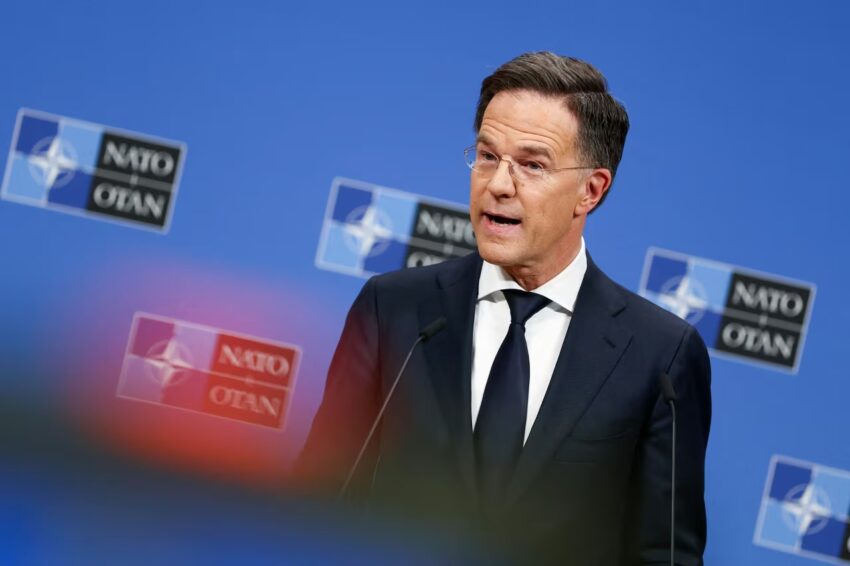
NATO Secretary-General Mark Rutte has expressed support for the United States’ recent military strikes targeting Iran’s missile capabilities, while making it clear that the NATO alliance itself will not directly participate in the conflict.
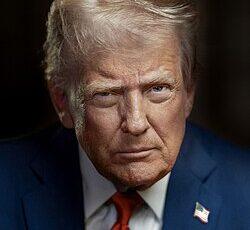
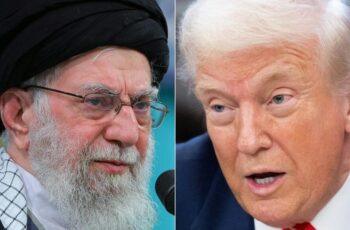
Speaking in a video interview on Thursday, March 5, Rutte said he supported the decision by U.S. President Donald Trump to take action against Iran’s ballistic missile program, which Washington believes poses a threat to regional and global security.
“We support the president in taking out that capability,” Rutte said, referring to the U.S. objective of weakening Iran’s missile program.
He added that it is important to ensure Iran does not continue to threaten neighboring countries and other regions.
“We have to make sure going forward that Iran is not able again to pose a deadly threat to its neighbors, to Israel, to the Middle East, and even to Europe,” he said.
NATO Distances Itself From Direct Involvement
Despite expressing support for the U.S. action, the NATO chief emphasized that the military alliance itself is not participating in the conflict.
According to Rutte, NATO’s role remains focused on supporting member states and strengthening collective defense rather than engaging directly in military operations against Iran.
“NATO is not itself involved here,” he said.
However, he explained that NATO allies provide forms of support that help the United States operate effectively during international security operations.
He noted that cooperation among NATO members plays a crucial role in strengthening the United States’ global security efforts.
Missile Interception Raises Tensions
Rutte’s remarks came shortly after reports that NATO air defense systems deployed in Turkey intercepted a missile believed to be heading toward Turkish airspace.
Turkey described the interception as a defensive action to protect its territory. Iran has reportedly denied any connection to the missile incident.
The NATO chief described the situation as a serious development but said the interception demonstrated the alliance’s ability to protect member states.
According to him, NATO operates with what he called a “360-degree approach” to defending its territory, meaning the alliance monitors threats from multiple directions and regions.
Balancing Support and Neutrality
During the interview with Reuters journalist Andrew Gray, Rutte was asked about his public backing of Trump’s decision to launch strikes.
He defended his remarks, saying strong leadership sometimes requires decisive action when security threats emerge.
“This decisive action to take out this capability of Iran, which has long been viewed as an exporter of instability and chaos, deserves recognition,” he said.
At the same time, Rutte reiterated that NATO’s position remains focused on maintaining regional stability while avoiding direct involvement in the escalating conflict.