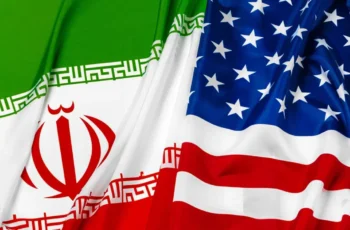
U.S. President Donald Trump is reportedly willing to bring the ongoing conflict with Iran to an end even if the Strait of Hormuz remains closed, according to a report by The Wall Street Journal citing senior administration officials.
Sources familiar with internal discussions say Trump has privately told advisers that forcing the reopening of the strategic waterway could prolong the war beyond his preferred timeline of four to six weeks.
Oil Prices Surge as Strait Remains Disrupted
The continued disruption of the Strait of Hormuz — a vital global oil transit route — has already sent shockwaves through energy markets. Brent crude prices have surged to $113 per barrel, marking a nearly four-year high and representing a 56% increase since the start of the U.S.-Israel conflict with Iran.
Shift in U.S. Strategy
Rather than escalating efforts to secure the strait, the Trump administration is said to be focusing on weakening Iran’s naval capabilities and missile stockpiles before scaling down military operations.
Officials indicated that Washington plans to apply diplomatic pressure on Tehran to restore normal trade flows. If those efforts fail, the U.S. may turn to European and Gulf allies to take the lead in reopening the strait.
Escalation Threats Amid Diplomatic Signals
Despite the potential shift toward de-escalation, Trump has maintained a hardline stance publicly. On Sunday, he warned that the U.S. could “obliterate” Iranian energy infrastructure — including Kharg Island, Iran’s primary oil export terminal — if Tehran does not agree to a peace deal soon.
In the same Truth Social post, Trump claimed that negotiations with what he described as a “new, and more reasonable, regime” in Iran were making “great progress,” highlighting ongoing mixed signals from Washington regarding the conflict.
Shipping Adjustments and Global Response
Meanwhile, maritime activity in the region has adapted to the heightened tensions. According to Bloomberg, most vessels transiting the Strait of Hormuz are now navigating routes closer to Iran’s coastline and often only after securing clearance through direct communication with Iranian authorities.
In separate developments, Malaysia and Thailand have reportedly negotiated the release of tankers stranded in the Gulf, reflecting growing international concern over the crisis.
What Comes Next
Analysts suggest that a U.S. withdrawal from the conflict could significantly ease tensions and increase the likelihood of restoring normal operations in the Strait of Hormuz — a critical artery for global energy supply.