
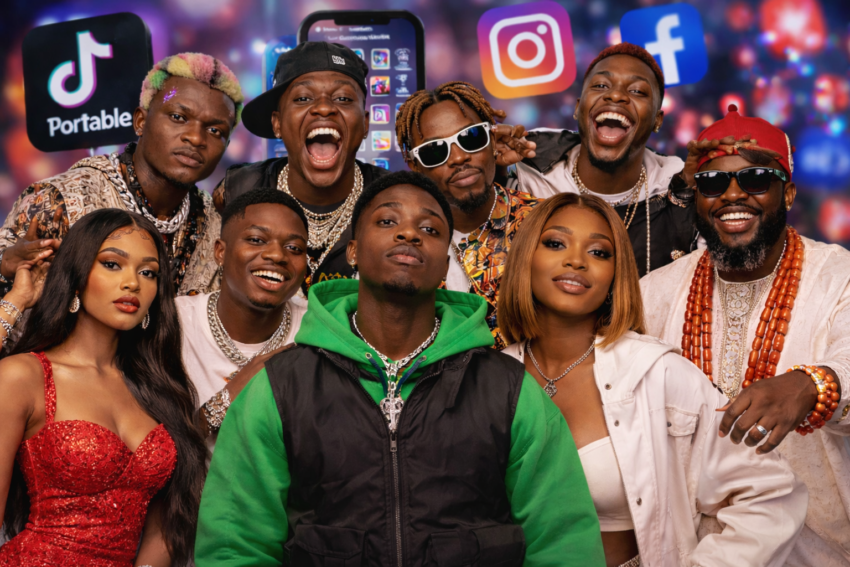
If you look at Nigeria today, one thing is clear—social media has completely changed the structure of influence, fame, and even success itself. Platforms like Instagram, TikTok, and X (formerly Twitter) have given ordinary people the power to reach millions overnight. What used to take years of hard work, structure, and recognition can now happen in a matter of days.
On the surface, this looks like progress. And in many ways, it is.
Social media has opened doors. It has created opportunities for business, entertainment, education, and expression. Young Nigerians are now building brands, selling products, and gaining visibility without needing traditional gatekeepers. It has empowered voices that would otherwise never have been heard.
But beneath all of that opportunity lies a growing problem—one that is slowly reshaping values, redefining standards, and in some cases, doing more damage than good.
The Rise of Instant Fame
One of the most obvious changes social media has brought is the rise of what can only be described as instant celebrities.
In today’s Nigeria, fame is no longer tied strictly to talent, skill, or long-term consistency. Instead, it is increasingly driven by virality—who can trend, who can capture attention, and who can dominate conversations, even if only temporarily.
Figures like Portable, Carter Efe, and emerging personalities like Peller represent a new wave of internet-driven fame. They have built massive followings, secured endorsement deals, and gained nationwide recognition—largely powered by social media visibility.
There is no denying their impact. They understand the system, they know how to capture attention, and they deliver content that keeps people engaged.
But the real question is—what exactly are people celebrating?
When Attention Becomes the Standard
Social media operates on one main currency: attention.
The more controversial, shocking, emotional, or entertaining something is, the more likely it is to spread. This creates a system where content is rewarded not necessarily for its value, but for its ability to generate reactions.
In this kind of environment, the line between meaningful influence and empty visibility becomes blurred.
People who, in a different era, may never have gained national recognition are now positioned as role models simply because they trend. Behaviour that would traditionally be questioned is now normalized because it is entertaining.
This is where the concern begins.
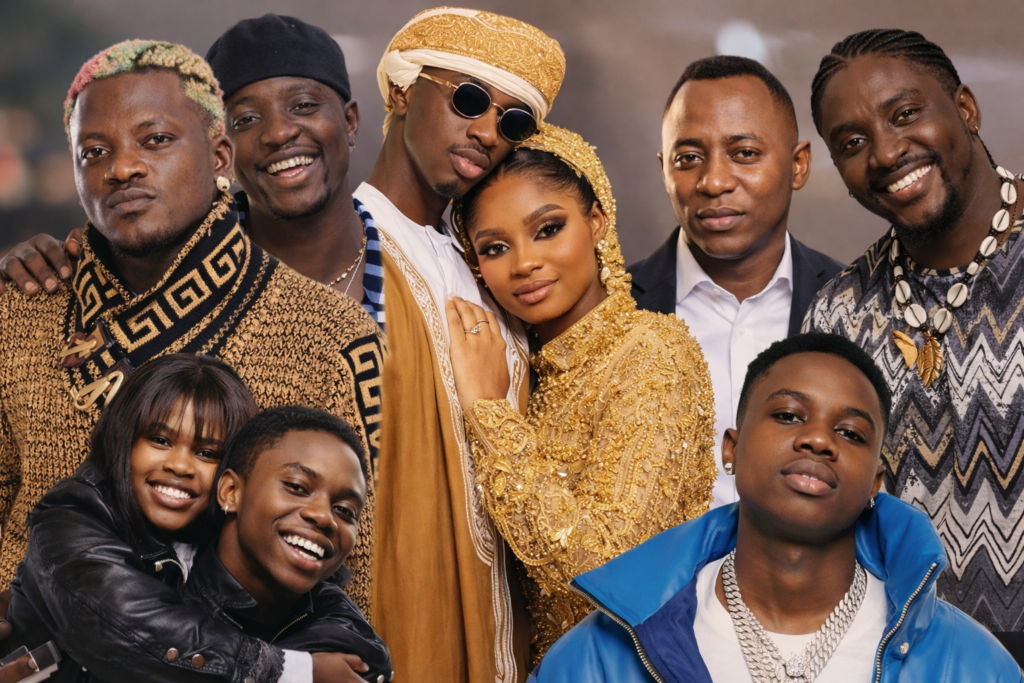
The Shift in Values
One of the most significant effects of social media in Nigeria is the gradual shift in what society values.
There was a time when recognition came from achievement—education, innovation, business success, or creative excellence. Today, that standard is changing.
Many young Nigerians are now growing up in an environment where:
- Clout is mistaken for success
- Virality is seen as achievement
- Attention is valued more than substance
This does not mean talent no longer exists. It does. In fact, there are many incredibly talented individuals using social media in the right way.
But the problem is visibility.
Content that promotes depth, knowledge, or long-term value often struggles to compete with content that is loud, controversial, or exaggerated.
My Honest Take
From my own perspective, social media has done a lot of damage in this area.
It has created a situation where people who were never meant to have this level of influence are now being treated like major celebrities. The likes of Portable, Carter Efe, Peller, and others have become household names—not necessarily because of exceptional value, but because they understand how to dominate attention.
And the reality is, this has consequences.
Young people are watching. They are learning. They are forming ideas about what success looks like.
When the most visible figures are those who prioritize clout over character, it sends a message—whether intentional or not—that substance is optional.
The Hidden Cost
The long-term impact of this shift is something many people are not paying attention to.
When society begins to celebrate noise over value:
- Standards begin to drop
- Discipline becomes less attractive
- Hard work feels less rewarding
- Real talent gets overshadowed
It also creates a cycle where more people are motivated to chase visibility at all costs, rather than build something meaningful.
This is not just a social media issue—it becomes a cultural issue.
Not Completely Black and White
At the same time, it is important to be fair.
Social media itself is not the problem. It is a tool.
The same platform that creates instant celebrities also creates:
- Entrepreneurs
- Educators
- Thought leaders
- Innovators
There are Nigerians using social media to build real businesses, teach valuable skills, and create meaningful impact.
So the issue is not the existence of social media—it is how it is being used, and what is being rewarded.
A Culture at a Crossroads
Nigeria is currently at a point where digital influence is shaping real-world outcomes.
The people who dominate online conversations are influencing:
- What people aspire to be
- What brands invest in
- What society pays attention to
This means the direction of social media culture matters more than ever.
If the system continues to reward only noise, controversy, and quick fame, then the long-term impact could be deeper than we realize.
Final Thoughts
Social media has changed Nigeria—there is no doubt about that.
It has created opportunities, empowered voices, and broken barriers. But it has also introduced new challenges, especially in how we define success, influence, and value.
The rise of instant celebrities is not just a trend—it is a reflection of a larger shift in society.
The responsibility now lies not just with creators, but with audiences as well.
Because at the end of the day, the content that wins is the content people choose to watch, share, and celebrate.
And if that doesn’t change, then the culture won’t either.