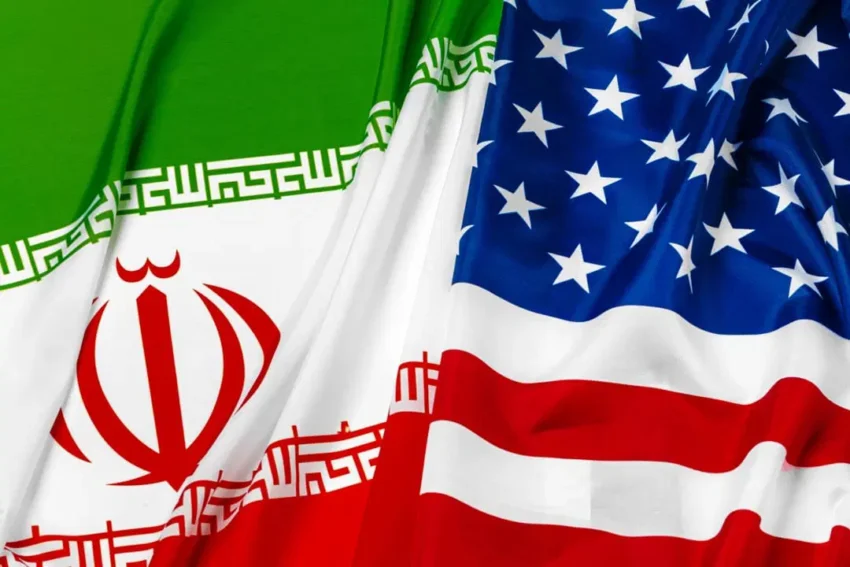
Tensions between the United States and Iran have once again reached a critical point, with both sides issuing strong warnings and preparing for possible escalation. What was initially framed as a temporary ceasefire now appears fragile, with growing uncertainty over whether diplomatic talks will hold—or collapse entirely.
At the center of the crisis is a breakdown in trust.
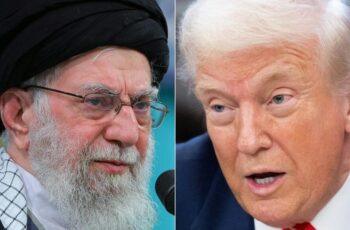
While Washington insists it is pushing for a negotiated settlement, Tehran has accused the United States of violating the ceasefire through economic pressure, naval blockades, and continued interference in key trade routes.
And as both sides continue to trade accusations, one question is becoming impossible to ignore:
Are we witnessing the early stages of a full-scale war?
A Ceasefire Under Pressure
The current situation is built on a ceasefire that, from the beginning, seemed unstable.
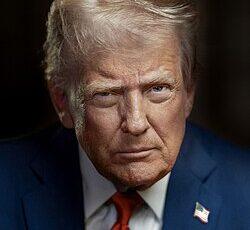
The Donald Trump administration has maintained that its strategy is designed to force Iran into making concessions—particularly around its nuclear programme. At the same time, Iran has made it clear that it will not negotiate under pressure.
Iranian officials have openly criticized what they describe as an attempt to turn negotiations into a “surrender process,” signaling a hardening stance rather than a willingness to compromise.
This is where things begin to shift from diplomacy to confrontation.
Because when both sides feel they are being pushed into a corner, the chances of de-escalation become much smaller.
The Strait of Hormuz: A Global Flashpoint
One of the most dangerous aspects of this conflict is its location—specifically the Strait of Hormuz.
This narrow passage is one of the most important oil routes in the world, with roughly 20% of global oil supply passing through it daily during normal conditions.
Now, it has become a pressure point.
Iran has warned that it could target vessels passing through the strait, while the United States has accused Iran of harassing ships and disrupting global trade.
This is not just a regional issue anymore.
Any disruption here has immediate global consequences:
- Oil prices spike
- Markets react
- Supply chains tighten
And that’s exactly what we’re starting to see.
The Military Reality
Beyond the political statements, there is a growing military presence in the region.
Naval movements, warnings to civilians, and continued reports of sporadic violence all point to one thing—preparation.
Neither side is officially declaring war.
But both are clearly preparing for the possibility of one.
This is often how major conflicts begin—not with a single announcement, but with a gradual buildup of pressure, miscalculations, and escalating responses.
Where Diplomacy Stands
There were initial reports that talks might resume in Pakistan, but uncertainty remains.
Iran has not fully committed to participating, while the United States continues to signal that negotiations are still on the table.
But here’s the reality:
Talks only work when both sides believe they are negotiating from a position of mutual respect.
Right now, that balance does not exist.
Instead, what we are seeing is:
- Pressure from the US
- Resistance from Iran
- And rising tension from both sides
That is not a stable foundation for diplomacy.
My Honest Take
From where I’m looking at this, this situation feels like it is slowly moving toward something much bigger.
Not necessarily because either side wants a full-scale war—but because the structure of the conflict is pushing them in that direction.
When you have:
- Economic pressure
- Military positioning
- Public threats
- And breakdown in communication
It becomes very difficult to pull things back.
This is how situations escalate.
And the worrying part is that once things cross a certain line, it becomes harder to control what happens next.
So the real question is not just “Will there be war?”
It’s:
“If this continues, how does it actually end?”
Possible Outcomes
At this stage, there are only a few realistic paths forward:
1. A Negotiated Deal
This would require both sides to step back and make concessions.
Right now, this seems unlikely—but not impossible.
2. Controlled Escalation
This is where both sides engage in limited conflict—targeted strikes, economic pressure, and strategic positioning—without triggering full war.
This is often used as a way to apply pressure without crossing the line.
3. Full-Scale Conflict
This is the scenario everyone is trying to avoid.
But if tensions continue to rise and one major incident occurs—whether intentional or accidental—it could trigger a much larger confrontation.
The Global Impact
If this situation escalates further, the consequences will not be limited to the Middle East.
The world is already interconnected.
A conflict between the United States and Iran would affect:
- Global oil supply
- Financial markets
- International trade
- Regional stability
This is why the stakes are so high.
Final Thoughts
Right now, the situation sits in a dangerous middle ground.
Not peace.
Not full war.
But something in between.
And historically, that is often the most unpredictable place to be.
From my perspective, this is no longer just political tension—it is a situation that is gradually building toward a breaking point.
The concern is not just what is happening now, but what could happen next if nothing changes.
Because if both sides continue on this path—pushing, responding, and escalating—then the question is no longer if something bigger will happen.
It becomes when.
And more importantly:
How does it stop once it starts?