
By Desmond Ogbonmwan
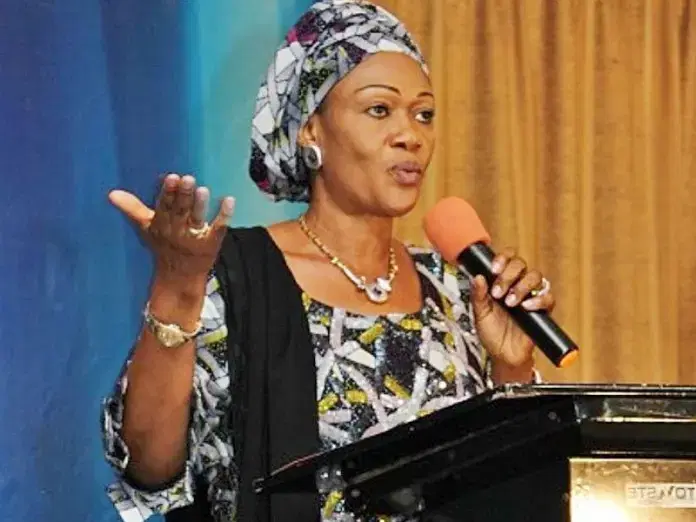
First Lady Oluremi Tinubu has found herself at the centre of a heated online debate after encouraging Nigerians to consider starting small-scale businesses such as selling akara, roasted corn and kuli-kuli as a way of earning a living.
The remarks, made after the second-quarter meeting of the Renewed Hope Initiative with the wives of state governors at the State House in Abuja, quickly spread across social media, where many Nigerians questioned whether the advice reflected the country’s current economic realities.
What the First Lady Said
Speaking about the activities of the Renewed Hope Initiative, the First Lady explained that the programme provides grants—not loans—to help vulnerable Nigerians establish small businesses.
According to her, some businesses require only modest start-up capital and can become a source of sustainable income.
“We’re trying to give hope, and to start akara business doesn’t take a lot of money. To start roasting corn, or somebody even said kuli-kuli doesn’t take much. We didn’t give them a loan; we gave it to them as a grant.”
She added that the initiative has also invested in healthcare, education, agriculture, ICT training and social intervention programmes.
The First Lady cited donations made toward tuberculosis treatment, breast cancer support and efforts to combat food malnutrition as part of the programme’s broader objectives.
Why the Comments Sparked Debate
Although many agreed that there is dignity in small businesses, critics argued that the timing of the remarks struck a nerve because many Nigerians are struggling with inflation, rising food prices and unemployment.
Several social media users suggested that citizens were looking for broader economic reforms, increased employment opportunities and lower living costs rather than advice on starting micro-enterprises.
Others argued that the comments highlighted a perceived disconnect between government officials and the daily financial pressures faced by many households.
Others Defended the Advice
Not everyone disagreed with the First Lady.
Supporters pointed out that thousands of Nigerians have built successful livelihoods through businesses such as selling akara, roasted corn and kuli-kuli.
They argued that many families have financed university education, purchased homes and expanded into larger enterprises after starting with small food businesses.
Some commentators also maintained that entrepreneurship should not be dismissed simply because it begins on a small scale.
The Bigger Conversation
The discussion has evolved beyond the specific mention of akara or roasted corn.
For many Nigerians, the debate reflects a broader conversation about economic policy, job creation and what citizens expect from government during difficult economic periods.
While some see small businesses as practical pathways to self-employment, others believe the government’s primary responsibility is to create an economic environment where businesses of every size can thrive.
As reactions continue online, the comments have become another flashpoint in the wider national debate over the cost of living, entrepreneurship and economic recovery.
The differing responses also illustrate how public statements by political leaders can resonate differently depending on the economic circumstances facing ordinary citizens.
Related Stories
Peter Obi Wants State Police Implementation Delayed Until After 2027 Election
FG Orders Banks to Freeze Assets of Terrorism Financiers
US Sanctions Nigerian Man, Three Companies Over Alleged ISIS Financing Network
Dangote Refinery Petrol Price Drop: What It Means for Nigerians
Odumeje Urges Nigerians to Protect Themselves Amid Growing Insecurity