By the time the final numbers started arriving from states across Nigeria, one thing had already become obvious inside the APC:
This was no longer just a party primary.
It had turned into a nationwide political endorsement.
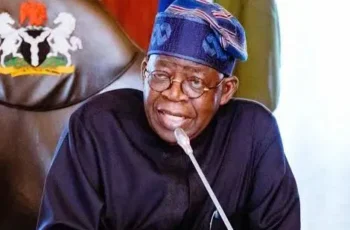
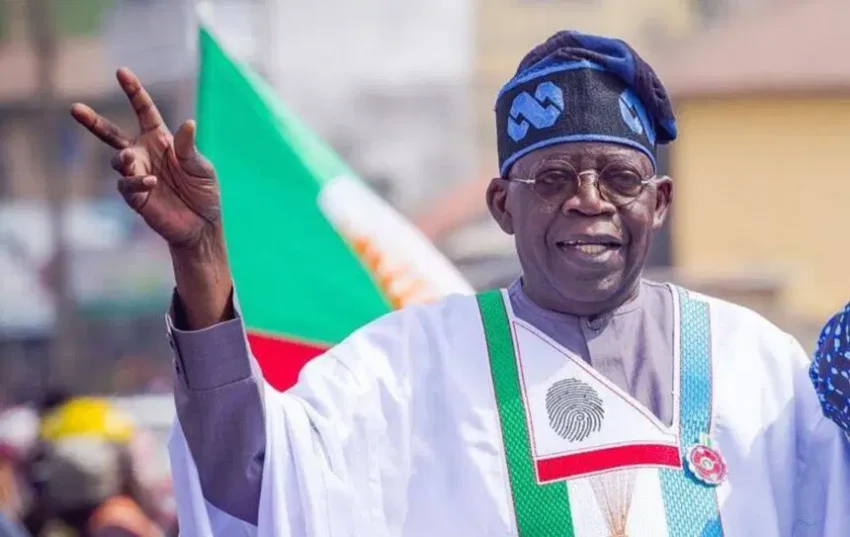
Bola Tinubu secured more than 10.9 million votes during the ruling party’s direct presidential primary exercise, defeating challenger Stanley Osifo by one of the widest margins seen in recent APC internal contests.
But beyond the numbers themselves, the bigger political message may be what the exercise reveals about the ruling party’s structure ahead of 2027.
The States That Delivered The Loudest Message
From Lagos State to Kaduna State, APC governors, lawmakers and party leaders openly mobilized support for the President.
Some states produced almost total dominance.
In several areas, Osifo failed to secure even a single vote.
For APC leaders, the outcome immediately became more than an internal election result.
It became proof — at least within the party — that Tinubu still controls the political machinery needed heading into another presidential cycle.
Why APC Is Already Talking About 2027 So Early
Ordinarily, many Nigerians would expect conversations about the next presidential election to still feel distant.
But inside political circles, positioning starts years before voting day.
That explains why APC figures treated the primary exercise almost like a dress rehearsal for a national election.
The ruling party’s leadership repeatedly described the turnout as evidence of grassroots strength and organizational stability despite ongoing criticism surrounding the economy.
Tinubu’s Bigger Message To Nigerians
While accepting the ticket, Tinubu focused heavily on continuity.
Rather than presenting entirely new promises, the President framed his campaign around protecting ongoing reforms already started under his administration.
He pointed to:
- fuel subsidy removal
- student loan programmes
- power sector reforms
- infrastructure expansion
- rising federal revenue
as signs that his policies are beginning to reshape the economy.
But he also acknowledged that many Nigerians are still struggling financially.
That part of the speech may become politically important later because economic hardship remains one of the biggest public conversations surrounding his administration.
The Real Battle Hasn’t Started Yet
Even with APC now firmly behind Tinubu, the broader 2027 election landscape is still developing.
Opposition camps are already reorganizing.
Within the ADC, conversations around figures like Atiku Abubakar and Rotimi Amaechi continue growing, while coalition discussions remain active behind the scenes.
So while APC supporters are celebrating today’s outcome, the real national contest may only just be beginning.