By Desmond Ogbonmwan
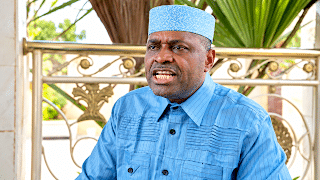
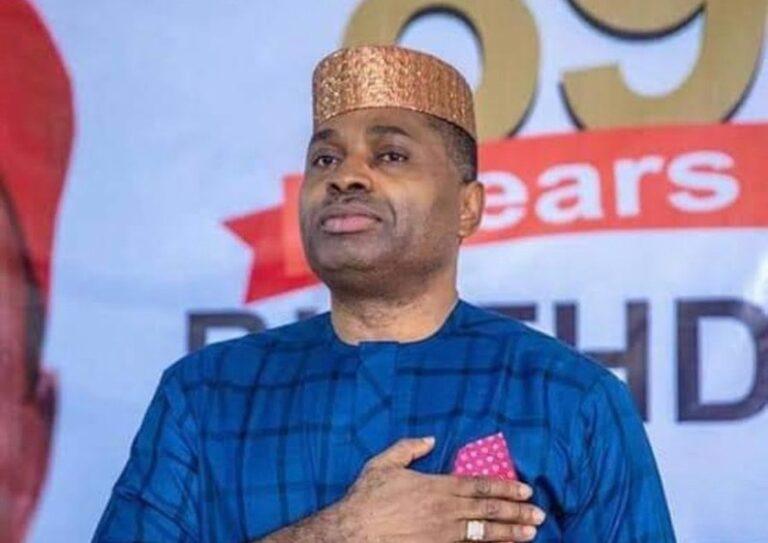
Former Vice President and African Democratic Congress (ADC) presidential candidate for the 2027 general election, Atiku Abubakar, has appointed actor-turned-politician Kenneth Okonkwo as his official spokesperson, a move that signals reconciliation within the party and could strengthen its campaign ahead of one of Nigeria’s most anticipated presidential contests.
The appointment was announced by Okonkwo on Thursday through his verified X (formerly Twitter) account, where he thanked Atiku for the confidence placed in him and described the decision as an example of inclusive leadership.
Beyond being a routine political appointment, the development is attracting attention because it comes only weeks after Okonkwo publicly criticised aspects of the ADC’s internal decision-making, particularly discussions surrounding the party’s vice-presidential selection.
Political observers believe the appointment demonstrates Atiku’s determination to unite influential voices within the opposition as preparations for the 2027 election gather pace.
Kenneth Okonkwo Accepts New Role
In his statement, Okonkwo expressed gratitude to Atiku and pledged to approach the responsibility with dedication.
“I give God all the glory for being appointed by His Excellency Atiku Abubakar as his spokesperson. I thank His Excellency for the immense confidence reposed in me.”
The former Nollywood actor also suggested that disagreements within political parties should not automatically lead to division.
According to him, Atiku has consistently preferred dialogue and compromise over resentment whenever concerns are raised by party members.
“Rather than take offence at associates for expressing genuine reservations about any action taken, His Excellency always opts for dialogue and compromise that engender solutions to problems.”
Those remarks have been interpreted by many political analysts as an indication that internal consultations helped resolve tensions that had recently emerged within the party.
From Critic to Key Campaign Voice
One of the reasons this appointment has generated significant political interest is the timing.
Only a short while ago, Okonkwo openly questioned reports that the ADC was considering a vice-presidential candidate from the South-South.
At the time, he argued that such a decision would further marginalise the South-East, a region that has not produced either Nigeria’s President or Vice President since the country’s return to democratic rule in 1999.
His comments reflected a broader debate about equity, inclusion and regional balance in Nigeria’s power-sharing arrangements.
Rather than allowing those disagreements to deepen, discussions reportedly took place between Atiku, Okonkwo and other senior figures within the ADC.
According to Okonkwo, those conversations addressed concerns about the South-East’s political interests within the realities created by Nigeria’s current Electoral Act and the practical considerations surrounding the 2027 race.
The outcome appears to have been a renewed commitment to work together.
Why This Appointment Matters
Although campaign spokesperson appointments rarely dominate political headlines, they often reveal how candidates intend to shape public messaging.
A spokesperson serves as one of the most visible representatives of a presidential campaign, communicating policy positions, responding to criticism and defending the candidate during periods of intense political debate.
For Atiku, choosing Kenneth Okonkwo offers several strategic advantages.
First, Okonkwo is already a recognised public figure whose background in entertainment gave him nationwide visibility long before he entered politics.
Second, he has built a reputation as an outspoken commentator on governance and constitutional issues, making him familiar to politically engaged audiences.
Third, his roots in the South-East could help strengthen the campaign’s outreach in a region where questions about political inclusion remain highly sensitive.
The appointment therefore appears to be both a communications decision and a political signal aimed at reinforcing party unity.
A Message to the South-East?
Perhaps the most significant political message behind the appointment relates to regional inclusion.
The South-East has consistently argued that it deserves greater representation in Nigeria’s highest political offices.
Although Atiku eventually selected former Rivers State Governor Rotimi Amaechi as his running mate, concerns expressed by some South-East leaders did not disappear.
By bringing Kenneth Okonkwo into such a prominent campaign position, the ADC may be attempting to reassure supporters from the region that their voices remain important within the party.
Whether that strategy succeeds will depend on how the campaign develops over the coming months.
Building a Broad Opposition Coalition
The appointment also reflects the broader challenge facing opposition parties ahead of the 2027 elections.
Defeating an incumbent or governing party typically requires more than strong candidates.
It requires unity among influential political figures, coordinated messaging and the ability to manage internal disagreements without creating lasting divisions.
Political history shows that opposition alliances often struggle when disagreements become public.
The ADC appears eager to avoid that outcome by demonstrating that differences can be resolved through dialogue rather than defections or prolonged conflict.
Kenneth Okonkwo’s Journey From Nollywood to National Politics
Long before becoming one of the most vocal political commentators in Nigeria, Kenneth Okonkwo built a successful career in Nollywood.
He rose to national prominence through his role in the classic 1992 film Living in Bondage, widely regarded as one of the productions that helped lay the foundation for Nigeria’s modern film industry.
His popularity in entertainment later provided him with a platform to engage in national conversations beyond cinema.
Over the years, Okonkwo transitioned into politics, where he became known for his strong opinions on constitutional matters, governance, elections and democratic reforms.
He has been associated with different political movements and has remained active in national debates, often using television appearances and social media to explain his positions on major political developments.
His appointment as Atiku Abubakar’s spokesperson marks another significant chapter in a career that has combined public influence with political activism.
What Does a Presidential Campaign Spokesperson Do?
Many Nigerians hear the title “campaign spokesperson” but may not fully understand the responsibilities attached to the position.
A spokesperson is often the public face of a presidential campaign.
Among the key responsibilities are:
- communicating the candidate’s policies and programmes;
- responding to criticism from opponents;
- granting media interviews;
- clarifying campaign positions;
- addressing misinformation;
- representing the campaign during political debates;
- coordinating communication with journalists and the public.
In modern elections, communication has become almost as important as campaigning itself.
With millions of Nigerians receiving political information through television, radio and social media, the spokesperson plays a crucial role in shaping public perception.
Why Atiku’s Choice Appears Strategic
Political appointments rarely happen in isolation.
They often reflect broader campaign calculations.
By appointing Kenneth Okonkwo despite their recent differences, Atiku appears to be sending multiple messages at once.
First, the appointment suggests that internal disagreements can be resolved through dialogue rather than division.
Second, it projects an image of inclusiveness at a time when opposition parties are seeking to present themselves as united alternatives ahead of the 2027 elections.
Third, the decision may strengthen the ADC’s visibility among younger voters and politically active Nigerians who already follow Okonkwo’s public commentary.
Rather than sidelining a prominent party figure after criticism, the campaign has instead entrusted him with one of its most visible communications roles.
The Challenge Ahead
While the appointment has generated positive reactions among some supporters, it also places significant expectations on Kenneth Okonkwo.
As spokesperson, he will likely become one of the campaign’s principal defenders whenever controversial issues arise.
He will be expected to explain policy proposals, respond quickly to political developments and maintain message discipline throughout what is expected to be an intensely competitive election cycle.
Given Nigeria’s fast-moving political environment, every public statement will be closely scrutinised by supporters, opponents and the media.
How effectively he manages those responsibilities could influence public perceptions of the campaign.
What This Means for the 2027 Election
Although the 2027 presidential election is still some time away, political parties have clearly begun positioning themselves.
Appointments such as this indicate that campaign structures are gradually taking shape.
For the ADC, strengthening its communications team is likely to be a priority as competition for public attention intensifies.
Political analysts note that elections are increasingly influenced not only by rallies and advertisements but also by the speed, consistency and credibility of campaign messaging.
In an era dominated by digital media, the ability to communicate effectively can significantly affect how candidates connect with undecided voters.
The appointment of Kenneth Okonkwo therefore represents more than an internal personnel decision.
It is part of a broader effort to prepare the party for a highly competitive national campaign.
Reactions Expected Across the Political Landscape
As with many high-profile political appointments, reactions are likely to vary.
Supporters of the ADC may view the move as evidence of the party’s willingness to reconcile differing opinions and retain influential voices.
Opponents, however, may closely monitor whether earlier concerns raised by Okonkwo regarding regional representation have been fully addressed or simply set aside for campaign unity.
Political commentators are also expected to assess how effectively the new spokesperson communicates the party’s vision on issues such as:
- economic reforms;
- national security;
- unemployment;
- constitutional reforms;
- infrastructure;
- national unity.
These policy discussions will likely become more prominent as the campaign season progresses.
Final Thoughts
Kenneth Okonkwo’s appointment as spokesperson for Atiku Abubakar’s 2027 presidential campaign is significant not simply because of the position itself, but because of the political context in which it comes.
Only weeks after publicly expressing concerns about aspects of the ADC’s internal decisions, he now occupies one of the campaign’s most visible roles.
The development suggests that dialogue within the party produced a compromise that both sides considered acceptable.
Whether this appointment translates into greater electoral support remains to be seen.
However, it signals the beginning of a more organised campaign structure as opposition parties prepare for what is expected to be one of Nigeria’s most closely contested presidential elections.
As the political landscape continues to evolve, appointments like this will likely shape not only campaign messaging but also broader conversations about unity, regional representation and the future direction of Nigerian politics.
Frequently Asked Questions
Who appointed Kenneth Okonkwo as spokesperson?
Former Vice President and ADC presidential candidate Atiku Abubakar announced Kenneth Okonkwo as his campaign spokesperson ahead of the 2027 general election.
Why is the appointment significant?
It comes shortly after Okonkwo publicly expressed concerns about the party’s vice-presidential selection, making the appointment a notable sign of reconciliation and internal party unity.
Who is Kenneth Okonkwo?
Kenneth Okonkwo is a Nigerian lawyer, actor and politician. He first gained national fame through Nollywood before becoming active in Nigerian politics and public affairs.
What does a campaign spokesperson do?
A campaign spokesperson communicates the candidate’s policies, represents the campaign in the media, responds to criticism and helps shape public messaging throughout the election period.
Who is Atiku Abubakar’s running mate for the 2027 election?
According to the information provided, the ADC selected former Rivers State Governor and former Minister of Transportation Rotimi Amaechi as Atiku Abubakar’s vice-presidential candidate.
Related Stories
- INEC Says Era of Ballot Box Snatching Is Over: What It Means for the 2027 General Election
- Understanding Nigeria’s Electoral Act: Key Rules Every Voter Should Know Before the 2027 Elections
- How BVAS Works: A Complete Guide for Nigerian Voters Ahead of the 2027 Elections
- What Is IReV and Why Is It Important for Election Transparency in Nigeria?
- Vote Buying in Nigeria: Why It Persists and How It Affects Elections