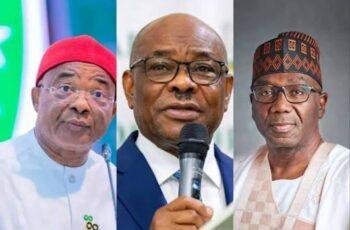
As Nigeria’s major political parties finalize preparations for the 2027 elections, cracks are becoming increasingly visible across several opposition camps.
What was initially expected to become a united political challenge against Bola Tinubu and the ruling All Progressives Congress is now gradually turning into a web of factional battles, parallel candidates and internal leadership disputes.
Across multiple opposition parties, different factions are now producing separate presidential aspirants — a development already raising questions about how united the opposition truly is ahead of the next election cycle.
The Opposition Problem Is No Longer APC — It’s Internal Division
While the APC recently rallied behind Tinubu through a nationwide primary exercise, several opposition parties are still struggling to agree on leadership structures, authentic factions and presidential tickets.
Inside the Social Democratic Party, two different camps are already pushing separate presidential candidates.
The Peoples Democratic Party is also deeply divided, with rival factions promoting different political directions and aspirants ahead of the primaries.
Even the African Democratic Congress — currently attracting major political attention — is dealing with competing leadership claims and separate presidential endorsements.
ADC’s Internal Drama Intensifies
The ADC has quickly become one of the most closely watched opposition platforms because of the political figures now associated with it.
But even inside the party, tensions are already visible.
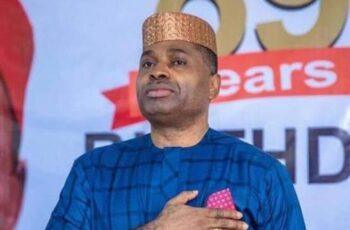
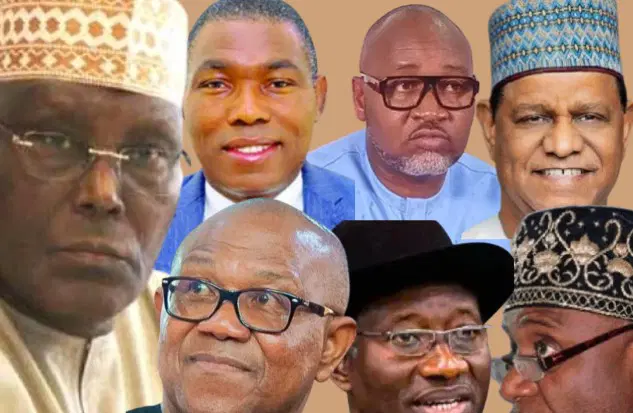
One faction aligned with Dumebi Kachikwu reportedly announced him as the party’s presidential candidate, while another faction recognized by INEC proceeded with its own nationwide primary involving:
- Atiku Abubakar,
- Rotimi Amaechi,
- and Mohammed Hayattu-Deen.
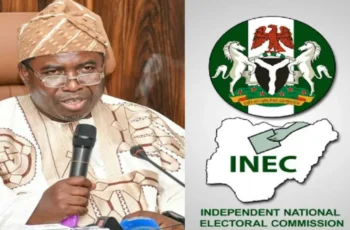
The David Mark-led faction, which currently appears recognized by INEC, dismissed rival declarations and insisted its own process remains the legitimate one.
Atiku And Amaechi Enter Full Campaign Mode
Despite the confusion, major opposition figures are already openly mobilizing support.
Atiku participated in the ADC primary process in Adamawa while Amaechi voted in Rivers State as party members queued publicly behind aspirants using the Option A4 system.
Several ADC chapters reportedly endorsed Atiku during the process, especially across northern states.
Meanwhile, party spokespersons used the exercise to criticize APC, accusing the ruling party of exaggerating membership and primary figures.
Peter Obi’s Position Looks Different
Interestingly, Peter Obi currently appears to stand in a relatively more stable political position compared to several other opposition figures.
Within the Nigeria Democratic Congress, Obi reportedly remains the sole presidential aspirant ahead of the party’s primaries.
That contrast is already fueling conversations online about whether fragmented opposition politics could eventually benefit the APC going into 2027.
Why The Situation Matters Politically
Historically, opposition parties in Nigeria struggle most when internal divisions become public before elections fully begin.
And that pattern appears to be resurfacing again.
While APC leaders are projecting unity around Tinubu, opposition parties are currently spending significant energy battling:
- factional leadership disputes,
- legitimacy questions,
- parallel primaries,
- and internal endorsements.
For many political observers, the biggest challenge facing the opposition may no longer be defeating APC alone — but first resolving its own internal fractures before Nigerians even get to the ballot box.