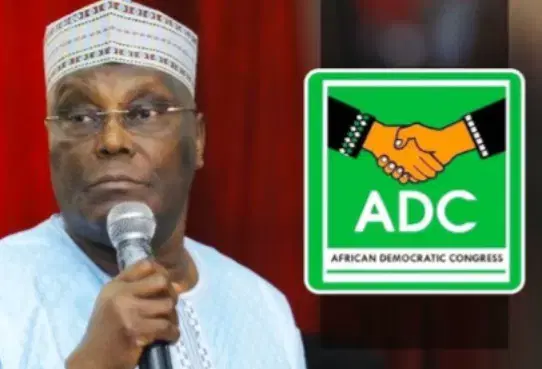
The political conversations around Nigeria’s 2027 presidential election continue gathering momentum after the African Democratic Congress chapter in Sokoto State officially endorsed Atiku Abubakar for the party’s presidential race ahead of the next general election.
The endorsement, announced during a press briefing in Sokoto, adds another layer to the growing political movements already happening quietly across opposition circles months before official campaigns begin nationwide.
Why The Sokoto Endorsement Matters
Although the ADC presidential primaries are yet to be concluded nationally, the endorsement is being viewed by many political observers as an early attempt to consolidate northern political support around Atiku.
The announcement was made by Alhaji Muktar Magori, a prominent ADC stakeholder and former Chief of Staff to ex-Governor Aminu Waziri Tambuwal.
According to him, party loyalists and stakeholders in Sokoto jointly agreed to back Atiku ahead of the party’s presidential process and the 2027 elections.
What makes the development politically significant is the continued positioning already happening across multiple parties even though the election itself is still years away.
Opposition Camps Quietly Reorganizing
Following the conclusion of the APC presidential primary that returned Bola Tinubu as the ruling party’s flagbearer, attention has increasingly shifted toward opposition camps and possible alliances.
Within the ADC, Atiku remains one of the most recognizable national political figures linked to the party’s emerging presidential conversation.
But he is not alone.
Former Rivers State governor Rotimi Amaechi and economist Mohammed Hayattu-Deen have also been connected to ongoing ADC presidential discussions.
That growing list of names has fueled speculation about negotiations, consensus talks and possible coalition arrangements ahead of the primaries.
Familiar Political Territory For Atiku
For Atiku, the endorsement represents another chapter in a long presidential journey that has stretched across multiple election cycles and political parties.
The former Vice President remains one of the most experienced political figures in Nigeria’s modern democratic era, having contested presidential elections several times under different platforms.
Supporters continue to view him as a politician with nationwide structure and political reach, especially across northern Nigeria.
Critics, however, argue that the country may eventually seek a newer political direction outside familiar establishment figures.
The 2027 Political Atmosphere Is Already Changing
Even though official campaigns remain distant, the pace of endorsements, party movements and coalition conversations already suggests that political calculations for 2027 are well underway.
Across social media and political circles, Nigerians are increasingly debating:
whether the opposition can unite,
whether APC can maintain national support,
and whether economic realities will shape voter sentiment before the next election cycle fully begins.
For now, Sokoto ADC’s endorsement may appear like a state-level political development.
But in Nigerian politics, early endorsements often signal much larger conversations happening behind the scenes.