By Desmond Ogbonmwan
Every election season in Nigeria brings renewed conversations about one issue that continues to threaten democratic credibility—vote buying.
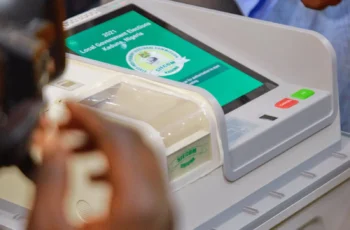
Although the country has introduced reforms such as the Bimodal Voter Accreditation System (BVAS) and the INEC Result Viewing Portal (IReV) to strengthen election transparency, many observers argue that the greatest challenge to free and fair elections is no longer ballot box snatching or manual result manipulation.
Instead, it is the attempt to influence voters before they cast their ballots.
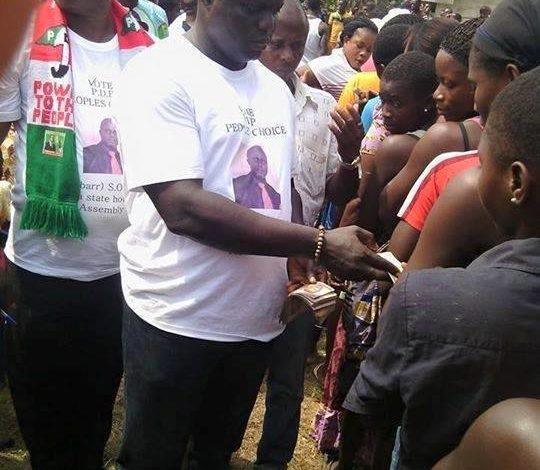
Vote buying occurs when money, food, gifts or other benefits are offered to persuade citizens to vote for a particular candidate or political party.
In some cases, voters are promised rewards before the election.
In others, payments are allegedly made after proof of voting or other forms of compliance.
These practices undermine the principle that elections should be decided by informed choices rather than financial inducements.
As Nigeria prepares for the 2027 general elections, understanding why vote buying persists—and how it affects governance—is essential for every voter.
What Is Vote Buying?
Vote buying refers to the practice of offering or receiving money, gifts or valuable benefits in exchange for electoral support.
The exchange can take many forms, including:
- direct cash payments;
- food items;
- clothing;
- building materials;
- fuel vouchers;
- transportation assistance linked to voting choices;
- promises of jobs or contracts;
- other material incentives intended to influence a vote.
The defining feature is that something of value is offered with the intention of affecting how a person votes.
It differs from lawful campaign promises, where candidates present policies or programmes intended to benefit the public if elected.
Why Is Vote Buying Illegal?
Nigeria’s electoral laws prohibit both offering inducements to voters and accepting them.
The reason is simple.
Democracy is based on the idea that citizens should choose leaders freely.
When financial incentives influence voting decisions, elections become less about policies, competence and accountability, and more about purchasing political support.
The law seeks to protect the integrity of elections by ensuring that every vote reflects the independent choice of the voter.
Why Does Vote Buying Continue?
Despite legal prohibitions, vote buying continues to appear in election reports.
Analysts point to several factors that contribute to its persistence.
Economic Hardship
For some citizens facing financial difficulties, immediate assistance may appear more valuable than long-term political promises.
This can make voters vulnerable to inducements during election periods.
However, experts caution that short-term financial gains may ultimately contribute to long-term governance problems if elections are decided by money rather than performance.
Poverty and Unemployment
Communities experiencing high unemployment or limited economic opportunities may be more susceptible to vote buying.
Political actors sometimes exploit these conditions by offering temporary relief during campaigns.
Many governance experts argue that reducing poverty and expanding economic opportunities are important long-term strategies for reducing electoral inducements.
Weak Enforcement
Although vote buying is prohibited by law, successful enforcement can be difficult.
Many transactions occur discreetly, making evidence collection challenging.
Investigations often require credible witnesses, documentation or other forms of proof before legal action can proceed.
Strengthening enforcement remains an important objective for electoral and law enforcement authorities.
Distrust in Political Leadership
Some voters believe that politicians rarely fulfil campaign promises after elections.
As a result, they may decide to accept immediate benefits rather than rely on future commitments.
This mindset reflects broader concerns about political accountability rather than support for vote buying itself.
Improving public trust in governance could reduce this attitude over time.
How Vote Buying Happens
Vote buying has evolved over the years.
While methods vary, observers have reported practices such as:
- distributing cash near polling units;
- providing food packages during campaigns;
- offering transport or financial assistance linked to voting expectations;
- making promises of employment in exchange for political support;
- using intermediaries to distribute incentives.
Election observers caution that these allegations should always be assessed based on credible evidence rather than rumours.
Not every act of campaign generosity automatically amounts to vote buying under the law.
Context and intent are important.
How Vote Buying Affects Democracy
The consequences extend far beyond election day.
When votes are influenced by financial inducements, several long-term problems may emerge.
Leadership Based on Spending Rather Than Merit
Candidates with greater financial resources may gain an advantage over those with stronger ideas or better records of public service.
This can reduce the quality of democratic competition.
Reduced Accountability
Leaders elected through widespread inducements may feel less pressure to respond to citizens’ needs after taking office.
If electoral success depends more on financial influence than public performance, accountability may weaken.
Lower Public Confidence
Perceptions of vote buying can reduce trust in election outcomes.
Citizens who believe elections are influenced by money may become less willing to participate in future elections.
Lower voter turnout can weaken democratic legitimacy.
Higher Campaign Costs
When political competition increasingly depends on financial inducements, campaign expenses rise.
This may discourage qualified candidates with limited financial resources from seeking public office.
What Does the Electoral Act Say About Vote Buying?
Nigeria’s Electoral Act recognises vote buying as an electoral offence because it compromises the principle of free and fair elections.
The law prohibits both:
- offering money or gifts to influence how someone votes; and
- accepting money or other inducements in exchange for a vote.
This means responsibility does not rest solely on politicians or political parties. Voters also have a role to play in protecting the integrity of elections by refusing inducements and reporting credible incidents through appropriate channels.
The objective of these legal provisions is to ensure that election outcomes reflect the genuine choices of citizens rather than financial transactions.
Why Some Voters Accept Inducements
Understanding vote buying also requires understanding the realities many Nigerians face.
In communities affected by unemployment, rising food prices and economic hardship, election periods sometimes become opportunities for temporary financial relief.
For a family struggling to buy food or pay school fees, a cash offer on election day may appear difficult to reject.
Political scientists often describe this as a symptom of deeper socio-economic challenges rather than simply a moral failure by individual voters.
However, governance experts warn that exchanging a vote for short-term assistance can contribute to long-term governance problems if leaders are elected primarily because of financial influence instead of competence and public service.
The Cost of Vote Buying After Elections
Although the exchange may happen in a few minutes, its consequences can last for years.
When elections are influenced by money rather than ideas, citizens may experience:
- weaker public accountability;
- reduced pressure on elected officials to deliver campaign promises;
- poor policy decisions;
- increased corruption risks;
- declining public trust in democratic institutions.
Many analysts argue that societies ultimately pay a much higher price than the value of any cash or gift distributed during campaigns.
The Responsibility of Political Parties
Political parties also have important responsibilities under Nigeria’s democratic framework.
Beyond seeking electoral victory, parties are expected to:
- campaign peacefully;
- educate supporters on lawful political participation;
- discourage electoral offences;
- respect electoral laws;
- promote issue-based campaigns.
Campaigns centred on policies, governance plans and public debates generally strengthen democracy more than campaigns driven by financial inducements or inflammatory rhetoric.
The Role of Citizens in Protecting Elections
Election integrity is not solely the responsibility of INEC or security agencies.
Citizens contribute by:
- refusing to participate in vote buying;
- reporting credible electoral offences;
- verifying election information before sharing it;
- encouraging peaceful participation;
- educating family and friends about electoral rights;
- participating actively in elections.
Democracy becomes stronger when citizens recognise that protecting elections is a shared responsibility.
How Other Democracies Address Vote Buying
Vote buying is not unique to Nigeria.
Many countries have faced similar challenges at different stages of their democratic development.
Around the world, governments have adopted various approaches to reduce electoral inducements, including:
- stronger enforcement of election laws;
- independent election monitoring;
- civic education campaigns;
- stricter campaign finance regulations;
- improved transparency in political funding;
- increased voter awareness.
International experience suggests that no single solution eliminates vote buying completely.
Long-term progress usually depends on combining legal enforcement with improved governance, economic opportunity and public education.
Why Civic Education Is One of the Best Defences
Many election experts believe that voter education is one of the most effective tools against vote buying.
When citizens understand:
- the value of their vote;
- how government decisions affect daily life;
- the long-term consequences of electoral corruption;
- their legal rights and responsibilities;
they are often better equipped to resist short-term inducements.
This is one reason why INEC and the National Orientation Agency have placed increasing emphasis on civic education ahead of the 2027 general elections.
An informed electorate is generally more resilient against misinformation, manipulation and financial inducements.
How to Protect Yourself on Election Day
As election day approaches, voters can take practical steps to help preserve the integrity of the process.
These include:
- arriving at the polling unit prepared;
- refusing offers intended to influence your vote;
- keeping your ballot secret;
- following lawful instructions from election officials;
- avoiding confrontations or violence;
- relying on official information from INEC;
- reporting suspected electoral offences through appropriate channels.
Small individual decisions collectively shape the credibility of national elections.
Final Thoughts
Vote buying remains one of the most complex challenges facing Nigerian elections.
While reforms such as BVAS and IReV have strengthened voter accreditation and result transparency, they cannot eliminate attempts to influence voters before ballots are cast.
Reducing vote buying requires more than stricter laws.
It also depends on stronger institutions, improved economic opportunities, effective enforcement and sustained civic education.
Most importantly, it depends on citizens recognising that a vote represents more than a single day’s decision.
It is an investment in the quality of governance for the years that follow.
As preparations for the 2027 general elections continue, protecting the value of every vote will remain one of the most important responsibilities shared by voters, political parties, election officials and the wider society.
Frequently Asked Questions
What is vote buying?
Vote buying is the offering or receiving of money, gifts or other benefits in exchange for voting for a particular candidate or political party.
Is vote buying illegal in Nigeria?
Yes. Nigeria’s Electoral Act prohibits both offering and accepting inducements intended to influence voting decisions.
Why does vote buying continue?
Analysts cite several contributing factors, including economic hardship, poverty, weak enforcement, political distrust and limited civic education.
Can ordinary voters help reduce vote buying?
Yes. Refusing inducements, reporting credible electoral offences, relying on verified information and participating responsibly all contribute to stronger elections.
Does vote buying determine election outcomes?
It can influence voter behaviour in some situations, but election outcomes depend on many factors, including voter turnout, campaign strategies, election administration and compliance with electoral laws.
Related Stories
- INEC Says Era of Ballot Box Snatching Is Over: What It Means for the 2027 General Election
- How BVAS Works: A Complete Guide for Nigerian Voters Ahead of the 2027 Elections
- What Is IReV and Why Is It Important for Election Transparency in Nigeria?
- How to Transfer Your Voter Registration Before the 2027 Election
- Understanding Nigeria’s Electoral Act: Key Rules Every Voter Should Know Before the 2027 Elections