By Desmond Ogbonmwan
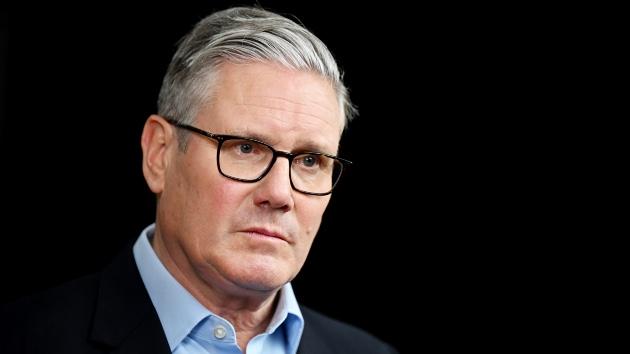
British Prime Minister Keir Starmer has announced his resignation, bringing an unexpected end to a premiership that began with one of the most significant election victories in recent British political history.
Starmer, who led the Labour Party back to power in July 2024 after more than a decade in opposition, confirmed his decision on Monday, June 22, during an address outside 10 Downing Street. His departure comes amid growing pressure from within the Labour Party following disappointing electoral performances and increasing concerns about the party’s direction ahead of the next general election.
The resignation marks another major chapter in Britain’s turbulent political landscape, with the country now preparing for its seventh prime minister in a decade.
A Rapid Rise And An Unexpected Exit
When Labour secured a landslide victory in the 2024 general election, many supporters believed Starmer would usher in a lengthy period of political stability.
The former Director of Public Prosecutions had spent years rebuilding Labour’s image following electoral setbacks and internal divisions. His leadership helped reposition the party as a credible alternative to Conservative rule, ultimately delivering a historic return to government.
However, the optimism that accompanied Labour’s election victory gradually gave way to mounting challenges.
Economic concerns, declining public approval ratings, policy disagreements and internal party tensions increasingly placed pressure on Starmer’s leadership. Recent local election setbacks intensified calls for change within Labour ranks.
Why Did Keir Starmer Resign?
In his resignation speech, Starmer acknowledged concerns about whether he remained the best person to lead Labour into the next general election.
He stated that he had listened to the views of Labour MPs and accepted their verdict with “good grace.”
Political observers say several factors contributed to his departure:
- Declining popularity among voters
- Internal Labour Party pressure
- Poor local election results
- Concerns about future electoral prospects
- Growing support for alternative Labour leadership figures
Despite these challenges, Starmer defended his record in office, emphasizing that his decisions were motivated by what he believed was best for the country.
Andy Burnham Emerges As Frontrunner
Attention has quickly shifted to who will replace Starmer.
Many political analysts view Andy Burnham as the leading contender following his recent return to Parliament through the Makerfield by-election. Burnham’s popularity among Labour members and his strong electoral performance have made him the early favourite to succeed Starmer.
There is also speculation that Labour may attempt to avoid a lengthy leadership contest by reaching a consensus around a single candidate before the party’s annual conference later this year.
However, other prominent Labour figures could still enter the race, potentially setting up a competitive leadership battle.
What Starmer Leaves Behind
Although his time in office was relatively short, Starmer’s supporters argue that he successfully transformed Labour from a divided opposition party into a governing force.
They point to efforts aimed at restoring the party’s credibility on economic management, national security and governance.
Critics, however, contend that his administration struggled to maintain momentum after its election victory and failed to deliver a compelling long-term vision capable of inspiring both party members and voters.
As with many political leaders, assessments of Starmer’s legacy are likely to evolve over time.
What Happens Next?
Starmer is expected to remain in office temporarily while Labour organizes a leadership transition. The party’s National Executive Committee will oversee the process for selecting a new leader, with nominations expected to begin in July.
Whoever succeeds him will inherit significant challenges, including economic pressures, public service reforms, immigration debates and growing political competition from rival parties.
The outcome of the leadership transition could have major implications not only for Labour but also for the future direction of British politics.
A Significant Moment In British Politics
Starmer’s resignation represents more than the departure of a prime minister. It highlights the increasingly volatile nature of modern British politics, where public expectations, party dynamics and electoral pressures can rapidly reshape political fortunes.
Less than two years after leading Labour to a landmark victory, Starmer’s exit serves as a reminder of how quickly political landscapes can change.
As Britain prepares for another leadership transition, attention will remain firmly focused on who steps forward to lead the country through its next chapter.
Related Stories
- NDC Explains Why It Is Exempting Peter Obi And Kwankwaso From Anti-Defection Oath
- Senate Denies Oshiomhole’s Claim Of Forged Signatures In Natasha’s Suspension Report
- Why Political Defections Continue To Shape Nigeria’s Democracy
- Dollar-Naira Rate: Why Nigerians Continue To Closely Watch Exchange Rate Movements
- Father’s Day 2026: Why Fathers Matter More Than Ever In Today’s World