By Desmond Ogbonmwan
Every few years, the same disturbing headlines return.
Foreign-owned shops are looted.
Businesses are vandalised.
Families flee their homes.
African migrants rush to police stations, churches and community centres seeking safety while governments scramble to organise emergency evacuations.
For many observers across the continent, the question has become painfully familiar:
Why do xenophobic attacks keep returning in South Africa?
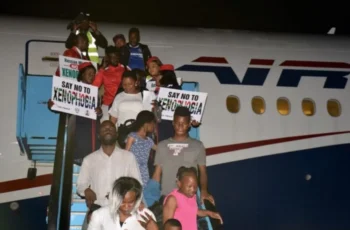
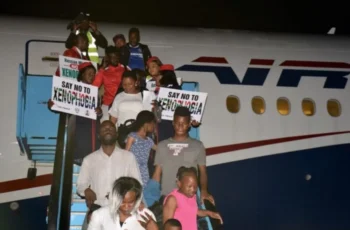
The latest wave of anti-foreigner tensions has once again forced hundreds of Nigerians to return home, while the Nigerian government has begun documenting abandoned homes, businesses and investments with plans to pursue compensation through diplomatic channels.
Yet the current crisis is only the latest chapter in a much longer story.
To understand why these attacks continue to happen, it is necessary to look beyond individual incidents and examine the economic, political and social forces that have shaped South Africa over the past two decades.
What Is Xenophobia?
Xenophobia refers to fear, hostility or prejudice directed toward people perceived as foreigners.
In South Africa, the term is often used to describe attacks against migrants from other African countries, including Nigeria, Zimbabwe, Mozambique, Somalia, Ethiopia, Malawi and the Democratic Republic of the Congo.
While not every South African supports or participates in such attacks, repeated outbreaks have created fear among migrant communities who have built lives and businesses in the country.
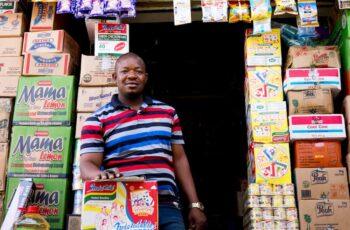
Many victims have legally entered South Africa, established successful enterprises, employed local workers and contributed to the economy.
Despite this, they often become targets during periods of social unrest.
Why South Africa Attracts Migrants
South Africa remains one of Africa’s largest economies, with more developed financial institutions, transport infrastructure and commercial opportunities than many neighbouring countries.
For decades, migrants from across the continent have travelled there seeking employment, education, business opportunities or improved living conditions.
Many Nigerians, in particular, have established businesses in sectors such as:
- retail trade
- logistics
- hospitality
- fashion
- beauty services
- information technology
- import and export
- entertainment
Some have lived in South Africa for decades, raising families and investing substantial sums into local communities.
Their success, however, has sometimes become a source of tension.
Economic Frustration Often Creates Easy Targets
One of the most commonly cited causes of xenophobic violence is economic hardship.
South Africa continues to face significant challenges, including high unemployment, particularly among young people.
When jobs become scarce and living costs increase, frustration often grows.
Unfortunately, migrants sometimes become convenient scapegoats.
A common narrative suggests that foreigners are taking jobs from South Africans or dominating certain business sectors.
However, economists argue that the issue is more complex.
Many migrants create businesses rather than compete directly for existing jobs.
Those businesses frequently employ South African citizens, pay taxes and contribute to local economies.
Research has repeatedly shown that migration alone cannot explain unemployment levels, which are influenced by broader structural economic challenges.
Nevertheless, during difficult periods, public perception often outweighs economic evidence.
Politics Also Plays a Role
Immigration has increasingly become part of South Africa’s political debate.
Some political figures have called for stricter immigration enforcement, arguing that undocumented migration places additional pressure on housing, healthcare and public services.
While governments have a legitimate responsibility to manage immigration, analysts caution that political rhetoric can sometimes influence public attitudes toward all foreign nationals, including those who are lawfully resident.
Civil society organisations have repeatedly urged leaders to distinguish between addressing immigration policy and encouraging hostility toward migrants.
Words spoken during political campaigns can have consequences far beyond the ballot box.
Criminality and Public Perception
Another factor complicating the issue is crime.
Like every large population, migrant communities include individuals who obey the law and others who do not.
Unfortunately, isolated criminal cases involving foreigners often receive significant public attention.
This can lead to unfair generalisations.
Entire communities may become associated with crimes committed by only a small number of individuals.
Nigerians, for example, have frequently faced accusations related to organised crime despite the overwhelming majority living ordinary lives as students, professionals, entrepreneurs and workers.
Community leaders have consistently argued that criminal activity should be addressed through law enforcement rather than collective punishment based on nationality.
Social Media Has Amplified Tensions
Unlike earlier outbreaks, today’s tensions spread much faster because of social media.
Videos, rumours and unverified claims can circulate to millions of people within hours.
Some posts exaggerate events.
Others recycle old footage and present it as new.
False information can inflame emotions before authorities have an opportunity to verify facts.
At the same time, genuine videos documenting attacks also spread rapidly, increasing fear among migrant communities and prompting many families to make quick decisions about leaving affected areas.
Digital platforms have therefore become both an important source of information and a potential catalyst for misinformation.
A Timeline of Major Xenophobic Attacks in South Africa
Although tensions involving foreign nationals have occurred at different times, several incidents stand out because of their scale and impact.
2008: The First Major Outbreak
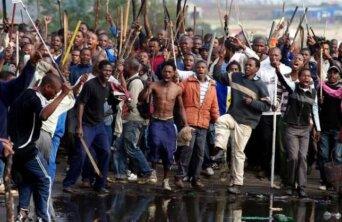
The world was shocked when widespread violence broke out across several townships in South Africa.
More than 60 people lost their lives, hundreds were injured and tens of thousands of foreign nationals were displaced after homes and businesses were attacked.
Many African migrants sought refuge in temporary camps while governments organised emergency assistance.
The attacks became one of the darkest moments in post-apartheid South Africa.
2015: Violence Returns
Seven years later, another wave of attacks erupted after growing anti-immigrant sentiments in parts of the country.
Foreign-owned shops were looted while many migrants fled their communities.
The violence prompted diplomatic concern across Africa, with several governments calling for greater protection of their citizens.
2019: Businesses Become Targets
Perhaps one of the most widely reported outbreaks occurred in 2019.
Images of burning shops, damaged businesses and frightened families circulated across international media.
Nigeria evacuated dozens of citizens after many reported fearing for their safety.
Diplomatic relations between Nigeria and South Africa came under strain as both governments exchanged concerns over the treatment of foreign nationals.
2026: Renewed Fears
The latest tensions have once again resulted in evacuation flights carrying Nigerians home.
Unlike previous responses that focused primarily on emergency evacuation, Nigerian authorities are now documenting abandoned businesses, homes and investments with the intention of pursuing compensation through diplomatic channels.
For many observers, this signals a shift toward seeking long-term accountability rather than simply responding to each crisis after it occurs.
The Human Cost Beyond the Headlines
News reports often focus on the number of people evacuated or the value of damaged property.
But behind every statistic is a personal story.
Parents are forced to withdraw children from schools.
Families leave homes they spent years paying for.
Entrepreneurs abandon businesses built through decades of hard work.
Friendships developed across communities are suddenly interrupted by fear and uncertainty.
For many returnees, arriving back in Nigeria is not the end of the crisis.
It is the beginning of another difficult journey.
Some must search for employment after years abroad.
Others attempt to rebuild businesses with limited financial resources.
Many face emotional trauma after leaving behind lives they never expected to lose.
Nigerians Have Contributed More Than Many Realise
Public debate often focuses on migration as a burden.
Yet many Nigerians living in South Africa have made significant contributions to the country’s economy.
Across Johannesburg, Pretoria, Cape Town, Durban and other cities, Nigerian entrepreneurs operate:
- supermarkets
- restaurants
- logistics companies
- fashion businesses
- beauty salons
- technology firms
- entertainment businesses
- import and export companies
- professional consulting services
These businesses employ both Nigerians and South Africans.
They rent commercial properties.
They purchase goods from local suppliers.
They pay taxes and contribute to economic activity.
Like entrepreneurs everywhere, they also support families through the income they generate.
Recognising these contributions is essential when discussing migration and economic development.
The Economic Cost to South Africa
Xenophobic violence affects more than those directly targeted.
It also carries economic consequences for South Africa itself.
When businesses are destroyed or forced to close:
- jobs are lost;
- investors become cautious;
- insurance claims increase;
- commercial activity slows;
- international perceptions of investment risk may be affected.
Repeated outbreaks can also discourage skilled professionals and entrepreneurs from establishing businesses in South Africa.
For a country seeking economic growth and foreign investment, maintaining confidence in public safety remains an important consideration.
Can the Cycle Be Broken?
Many experts argue that preventing future attacks requires more than police deployments after violence begins.
Long-term solutions may include:
- stronger community engagement;
- effective law enforcement against criminal activity regardless of nationality;
- improved immigration management;
- public education campaigns addressing misinformation;
- economic policies that expand employment opportunities;
- political leadership that discourages discrimination.
Civil society organisations in South Africa have also emphasised dialogue between local communities and migrant groups, arguing that many tensions arise from misinformation rather than direct personal experience.
A Challenge for the Entire Continent
The issue extends beyond Nigeria and South Africa.
African governments have spent years promoting regional integration through initiatives such as the African Continental Free Trade Area (AfCFTA), encouraging greater movement of goods, services and investment across borders.
For those goals to succeed, entrepreneurs and workers must feel confident that they can live and conduct business safely in neighbouring countries.
Recurring xenophobic violence undermines that confidence.
It raises broader questions about how African nations protect migrants while balancing legitimate concerns about immigration management and public security.
Finding sustainable answers will require cooperation rather than confrontation.
Final Thoughts
The question is no longer simply why xenophobic attacks occur.
The more important question is why they continue to recur despite years of public debate, diplomatic engagement and repeated promises of reform.
Each outbreak leaves behind more than damaged buildings.
It leaves broken businesses, interrupted education, displaced families and strained diplomatic relationships.
For many Nigerians who have invested years of effort into building lives in South Africa, the hope is not merely for compensation after tragedy.
It is for a future in which such compensation is no longer necessary because communities feel secure regardless of where they were born.
As both governments continue discussions following the latest evacuation, lasting progress will depend on addressing not only the immediate consequences of violence but also the deeper social, economic and political conditions that allow these tensions to resurface.
Frequently Asked Questions
What is xenophobia?
Xenophobia is hostility, fear or prejudice directed toward people perceived as foreigners or outsiders.
Why are Nigerians often affected?
Nigeria has one of the largest migrant communities in South Africa, with many citizens working, studying and operating businesses across the country. During outbreaks of anti-foreigner violence, Nigerians have often been among the affected groups.
What causes xenophobic attacks in South Africa?
There is no single cause. Analysts point to economic hardship, unemployment, political rhetoric, misinformation, crime perceptions and broader social tensions as contributing factors.
Is every South African involved?
No. Many South Africans have publicly condemned xenophobic violence, supported affected migrants and worked alongside community organisations to promote peaceful coexistence.
What is Nigeria doing now?
The Nigerian government has evacuated citizens who chose to return and says it is documenting abandoned businesses and other assets while pursuing discussions with South African authorities regarding possible compensation.
Related Stories
FG Seeks Compensation for Nigerians’ Abandoned Properties as South Africa Evacuation Continues
Photos: Second Batch of Nigerians Evacuated From South Africa Arrive Lagos
Ghanaian Evacuee Sparks Debate With Claim After South Africa Xenophobia Scare
Canada Knock South Africa Out of the FIFA World Cup as Nigerians Celebrate Online
Drake Wins $1 Million After Betting on Canada to Beat South Africa in World Cup
FG Considers Retaliatory Measures Over Anti-Nigerian Violence in South Africa