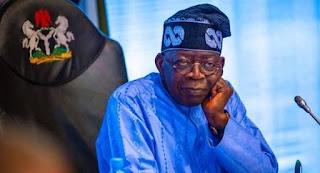
The Presidency has defended President Bola Tinubu’s economic reforms, citing an increase in manufacturing jobs while accusing opposition figures of presenting a negative picture of Nigeria’s economy ahead of the 2027 elections.
Temitope Ajayi, Senior Special Assistant to the President on Media and Publicity, made the remarks on Monday after a report showed that Nigeria’s manufacturing sector recorded 81,174 job additions in 2025, compared with 34,769 in 2024.
The figures represent a 133.47 per cent year-on-year increase, according to data presented by Segun Ajayi-Kadir, Director-General of the Manufacturers Association of Nigeria (MAN), at the association’s 54th Annual General Meeting in Lagos.
In a post on X, Ajayi argued that the figures demonstrated progress under Tinubu’s economic policies.
“While the opposition elements are content with selling doom and gloom with the hope their narratives will resonate and help them win next elections, the economy under President Tinubu is responding very well to the reforms. And the evidence is crystal clear,” he wrote.
Manufacturing Job Growth Slowed in Second Half of 2025
Although manufacturing employment increased across the year, the figures also showed a significant slowdown in the second half of 2025.
According to BusinessDay, the sector recorded 62,906 job additions in the first half of the year, compared with 18,268 in the second half, representing a decline of about 71 per cent between the two periods.
Ajayi-Kadir attributed the initial recovery to a more stable exchange rate for imported inputs, improved business confidence and increased exports of manufactured goods.
However, manufacturers continued to face high energy costs, weak consumer demand and expensive borrowing, which affected recruitment and expansion plans during the second half of the year.
The figures therefore indicate an improvement in annual manufacturing employment, alongside continuing challenges for businesses.
Presidency Defends Tinubu’s Economic Direction
Ajayi maintained that the manufacturing figures supported the administration’s position that its reforms were producing positive results.
The Tinubu administration has defended its economic policies, including the removal of petrol subsidy and changes to foreign exchange management, as necessary measures to address longstanding economic challenges.
However, the impact of these reforms remains a subject of political and economic debate, particularly over inflation, household purchasing power and the cost of doing business.
The manufacturing employment figures offer one measure of activity in the sector, but do not by themselves establish the overall effect of the reforms on living standards or the wider economy.
With the 2027 elections approaching, economic performance is expected to remain a major point of disagreement between the administration and opposition parties.