
By Desmond Ogbonmwan
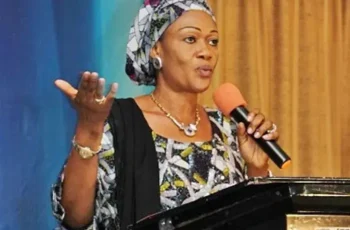
Nigerian activist and disc jockey, DJ Switch, has criticised First Lady Oluremi Tinubu over her recent comments encouraging Nigerians to consider small-scale businesses such as selling akara, roasted corn and kuli-kuli as a way of earning a living.
The criticism comes days after the First Lady defended the Federal Government’s economic intervention programmes, explaining that the Renewed Hope Initiative provides grants—not loans—to help vulnerable Nigerians establish small businesses.
While Mrs Tinubu described petty trading as a practical way for many citizens to earn an income, DJ Switch argued that the country should be setting its sights much higher.
DJ Switch Questions Government’s Economic Direction

In a post shared on social media, the activist said Nigeria should be preparing its citizens for opportunities in a rapidly evolving digital economy rather than encouraging them to rely primarily on subsistence trading.
According to her, countries investing heavily in technology, innovation and digital education are positioning their young people for future careers, while Nigeria risks falling behind if it continues to promote what she described as low-income survival businesses.
DJ Switch maintained that entrepreneurship remains important but argued that government policies should focus on expanding access to higher-value opportunities capable of creating sustainable economic growth.
The First Lady’s Comments
The debate began after the First Lady said businesses such as selling akara, roasted corn and kuli-kuli require relatively little capital and could provide an income for many Nigerians.
Speaking about the activities of the Renewed Hope Initiative, she explained that the programme provides grants to beneficiaries instead of loans.
Mrs Tinubu also highlighted several interventions in healthcare, education, agriculture and social investment, including donations to support tuberculosis treatment, breast cancer awareness and programmes addressing food malnutrition.
She urged Nigerians not to lose hope despite current economic challenges.
Mixed Reactions Continue
The exchange has generated widespread discussion across social media.
Supporters of the First Lady argue there is dignity in every legitimate business and point out that many successful entrepreneurs started with modest ventures before expanding.
Others, however, believe the discussion reflects a wider concern about unemployment, inflation and the rising cost of living, arguing that citizens expect broader economic reforms alongside support for small businesses.
For many Nigerians, the debate is no longer simply about selling akara or roasted corn. Instead, it has become a broader conversation about economic policy, job creation and the type of opportunities government should prioritise for young people.
As reactions continue, the differing views underscore the wider national discussion about entrepreneurship, economic empowerment and Nigeria’s long-term development strategy.
RELATED STORIES
Why Remi Tinubu’s Akara Business Advice Has Divided Nigerians
Peter Obi Wants State Police Implementation Delayed Until After the 2027 General Election
FG Orders Banks to Freeze Assets of Terrorism Financiers
Dangote Refinery Petrol Price Drops Again: What It Means for Nigerians
Odumeje Urges Nigerians to Protect Themselves Amid Growing Insecurity