Africa is home to some of the world’s largest oil-producing nations, yet for decades the continent has relied heavily on imported refined petroleum products due to limited refining capacity.
That landscape is beginning to change as governments and private investors expand existing refineries and build new mega-projects designed to meet domestic demand and supply neighbouring countries.
The Dangote Petroleum Refinery in Nigeria has already transformed Africa’s refining sector, while new projects planned in countries such as Kenya could further reshape the continent’s energy industry.
Here are the largest oil refineries in Africa by refining capacity.
1. Dangote Petroleum Refinery (Nigeria)
Location: Lekki, Lagos State, Nigeria
Current Capacity: 650,000 barrels per day (bpd)
Planned Expansion: Up to 1.4 million bpd
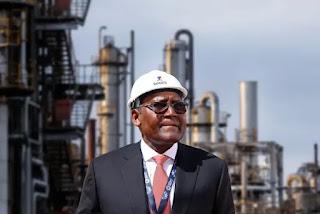
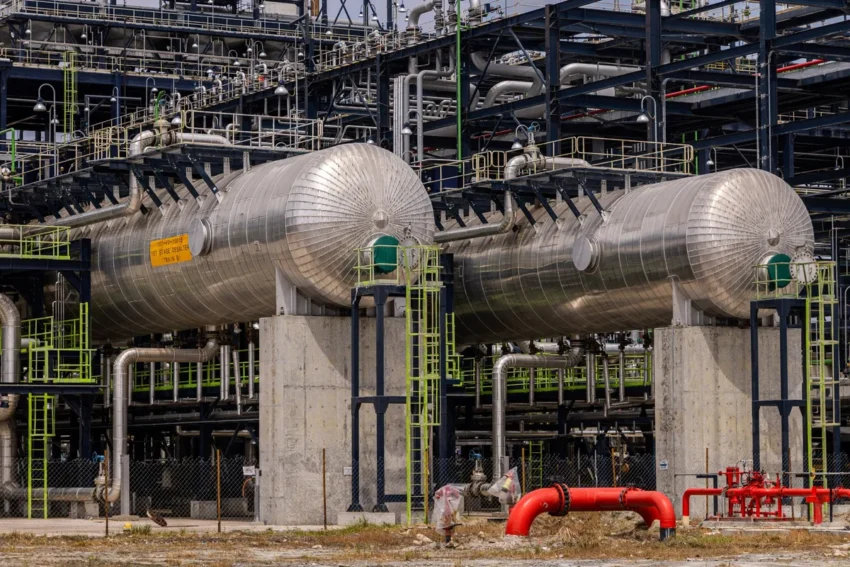
The Dangote Petroleum Refinery is currently Africa’s largest refinery and one of the biggest single-train refineries in the world.
Commissioned in 2024, the refinery was built to reduce Nigeria’s dependence on imported fuel and improve energy security across West Africa.
The facility produces:
- Petrol
- Diesel
- Aviation fuel
- LPG
- Polypropylene
- Other petroleum products
Dangote Industries has announced plans to expand the refinery to 1.4 million barrels per day by 2028, a move that would make it one of the world’s largest refining facilities.
2. Skikda Refinery (Algeria)
Location: Skikda
Capacity: Approximately 355,000 bpd
Owned by Algeria’s state oil company Sonatrach, the Skikda Refinery is among North Africa’s most important energy assets.
It supplies refined petroleum products to both domestic and international markets and forms part of Algeria’s broader hydrocarbon industry.
3. Port Harcourt Refining Complex (Nigeria)
Location: Rivers State
Combined Capacity: Approximately 210,000 bpd
The Port Harcourt complex consists of two refineries commissioned several years apart.
Following rehabilitation efforts, the Federal Government aims to restore the facility to higher operational levels to reduce reliance on imported fuels.
4. Suez Oil Processing Company (Egypt)
Location: Suez
Capacity: Around 146,000 bpd
Egypt has one of Africa’s most developed refining sectors.
The Suez refinery plays a significant role in supplying fuels to Egypt’s domestic market while supporting exports through the Suez Canal corridor.
5. MIDOR Refinery (Egypt)
Location: Alexandria
Capacity: Approximately 160,000 bpd
The Middle East Oil Refinery (MIDOR) is one of Egypt’s modern refining facilities.
Recent upgrades have increased production efficiency and expanded its ability to produce cleaner petroleum products.
6. Sapref Refinery (South Africa)
Location: Durban
Capacity: Around 180,000 bpd (before suspension)
The SAPREF refinery has historically been South Africa’s largest refining facility.
Although operations have faced interruptions in recent years, it remains a strategically important asset within the country’s energy infrastructure.
7. Sonara Refinery (Cameroon)
Location: Limbe
Capacity: Approximately 42,000 bpd
Cameroon’s national refinery primarily serves domestic fuel demand.
Reconstruction and expansion plans have been discussed following damage caused by a major fire in 2019.
8. Tema Oil Refinery (Ghana)
Location: Tema
Capacity: Approximately 45,000 bpd
Tema Oil Refinery has long supplied petroleum products to Ghana.
The government has proposed rehabilitation and expansion initiatives aimed at improving operational performance.
9. Indeni Refinery (Zambia)
Location: Ndola
Capacity: Around 24,000 bpd
Although relatively small, the Indeni refinery has played an important role in Zambia’s fuel supply.
The country has increasingly relied on imported refined products as energy policies evolved.
10. Kenya’s Proposed Dangote Refinery
Location: Lamu, Kenya
Planned Capacity: 700,000 bpd
If completed as announced, the planned Dangote refinery in Lamu would immediately become Africa’s largest refinery by nameplate capacity, surpassing the current capacity of the Lagos refinery before its proposed expansion.
The project is expected to:
- Supply East Africa
- Reduce fuel imports
- Create thousands of jobs
- Strengthen regional energy security
- Position Kenya as a major refining hub
Construction is expected to take approximately 30 months.
How Africa’s Refining Industry Is Changing
For decades, many African countries exported crude oil while importing refined fuels because domestic refining capacity was limited.
Large private-sector investments and government-backed refinery upgrades are now changing that model.
Expanding refining capacity could help:
- Reduce fuel imports.
- Improve energy security.
- Lower transportation costs.
- Create skilled jobs.
- Encourage industrial growth.
- Increase exports of refined petroleum products.
However, refining projects remain capital-intensive and depend on reliable crude supplies, financing, environmental compliance and supportive government policies.
Looking Ahead
With the Dangote Petroleum Refinery already reshaping West Africa and the proposed Lamu refinery poised to strengthen East Africa, the continent’s refining landscape is entering a period of significant change.
If current expansion plans are completed, Africa could substantially reduce its dependence on imported refined fuels while becoming a more influential player in global energy markets.