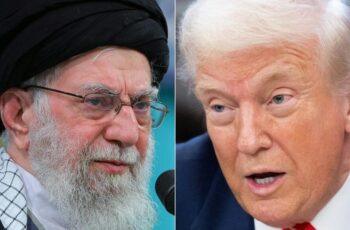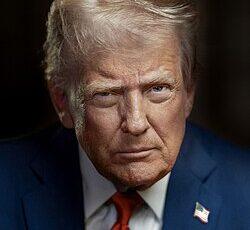
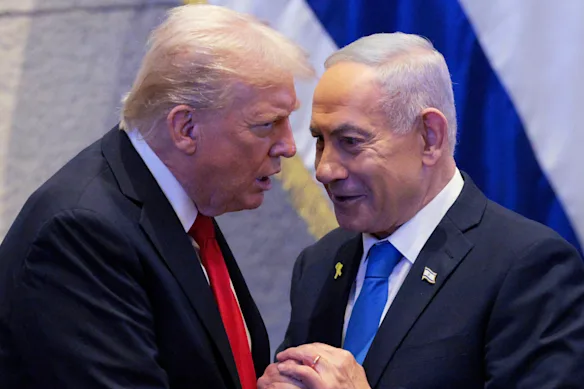
A new report has claimed that U.S. President Donald Trump approved a military operation against Iran following discussions with Israeli Prime Minister Benjamin Netanyahu, who strongly advocated for a coordinated strike targeting Iran’s Supreme Leader, Ali Khamenei.
According to sources familiar with the matter, as cited by Reuters, the proposed operation was based on intelligence suggesting that Khamenei and other senior Iranian officials would be gathered at a specific location in Tehran. This presented what officials described as a rare opportunity for a “decapitation strike,” an operation designed to eliminate a country’s top leadership.
Sources revealed that while Trump had already approved the broader concept of military action, the timing and final authorization were shaped by evolving intelligence and high-level discussions, including those with Israeli leadership. Netanyahu reportedly emphasized that the situation offered a unique opportunity to significantly weaken Iran’s leadership structure.
The operation followed weeks of military buildup in the region and was ultimately approved in late February. Initial plans reportedly faced delays due to logistical challenges, including weather conditions, before the strike was carried out.
U.S. officials stated that the primary objective was to significantly degrade Iran’s military capabilities, including its missile systems and its ability to support allied groups in the region. Another key goal was to prevent Iran from advancing its nuclear weapons program.
Despite Netanyahu’s strong lobbying efforts, there is no indication that he alone determined Trump’s final decision. However, sources noted that his arguments — particularly around the strategic and political implications of targeting Iran’s leadership — played a significant role in shaping discussions.
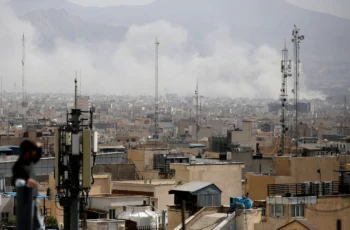
The development has since led to rising tensions across the Middle East, triggering retaliatory actions and increasing casualties. It has also had global economic implications, including fluctuations in oil prices.
This marks a significant turning point in regional geopolitics, with the situation continuing to evolve and draw international attention.