
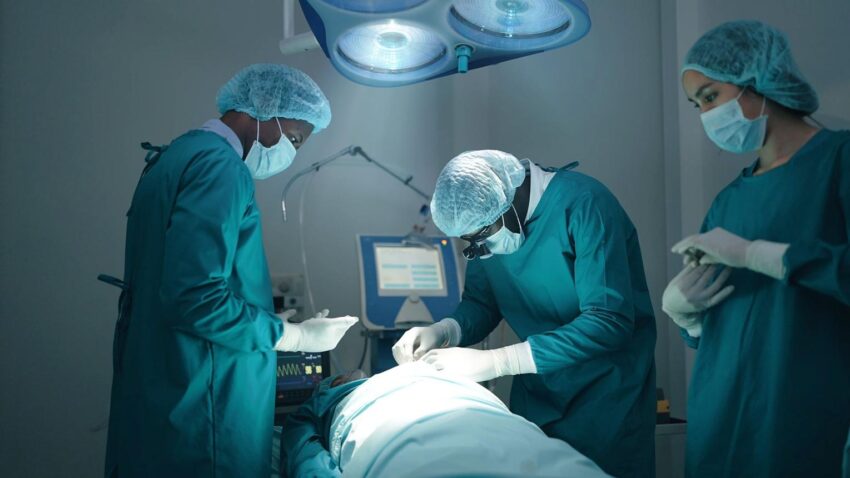
The United States has lifted its visa freeze affecting Nigerian doctors and healthcare workers, along with professionals from several other countries, reopening a pathway that had been temporarily restricted.
While this development may appear positive on the surface, especially for medical professionals seeking opportunities abroad, it has once again reignited a long-standing concern in Nigeria — the issue of brain drain.
For years, Nigeria has struggled with the migration of its best healthcare professionals to countries like the United States, the United Kingdom, and Canada.
Now, with restrictions easing, many believe the situation could intensify.
What Happened
The visa freeze had previously limited access for certain categories of foreign professionals, including healthcare workers.
With the latest update, Nigerian doctors can once again pursue opportunities in the US without that restriction.
For many doctors, this is a major relief.
It means:
- better working conditions
- improved pay
- access to advanced medical systems
- more stable career growth
But for Nigeria, the implications are more complicated.
The Reality in Nigeria’s Healthcare System
Nigeria’s healthcare system is already under pressure.
Hospitals are understaffed.
Doctors are overworked.
Facilities are stretched.
And in many cases, patients are left to deal with long waiting times and limited access to quality care.
The migration of doctors has been one of the biggest contributing factors to this situation.
Every time a trained professional leaves, the system loses:
- experience
- skill
- capacity
And replacing them is not always immediate.
Why Doctors Are Leaving
This is not just about opportunity.
It’s about survival and growth.
Many Nigerian doctors have consistently raised concerns about:
- Poor remuneration
- Unsafe working conditions
- Limited equipment
- Lack of government support
When those factors combine, the decision to leave becomes less about ambition and more about necessity.
My Honest Opinion
Let’s be real about this.
You can’t blame Nigerian doctors for leaving.
If someone spends years studying, working under pressure, and sacrificing their time only to end up in a system that doesn’t support them, they will naturally look for better options.
And the truth is, those better options exist abroad.
But at the same time, this is a serious problem for Nigeria.
Because while individuals are improving their lives, the country is losing critical talent.
And the people who suffer the most are everyday Nigerians who depend on these healthcare systems.
The Bigger Problem
This situation exposes a deeper issue.
Nigeria is investing in training professionals, but other countries are benefiting from that investment.
That gap continues to grow every year.
And unless something changes, lifting visa restrictions will only accelerate the trend.
What Needs to Change
If Nigeria wants to reduce brain drain, the solution is not to stop people from leaving.
The solution is to make staying more attractive.
That means:
- better salaries
- improved infrastructure
- stronger healthcare policies
- real investment in the sector
Without these changes, migration will continue.
Final Thoughts
The lifting of the US visa freeze may be good news for Nigerian doctors.
But for Nigeria, it raises difficult questions.
How do you keep your best professionals in a system that struggles to support them?
And how long can the country sustain losing talent at this rate?
Until those questions are answered, this cycle will likely continue.