By Daniel Richard | World News Desk
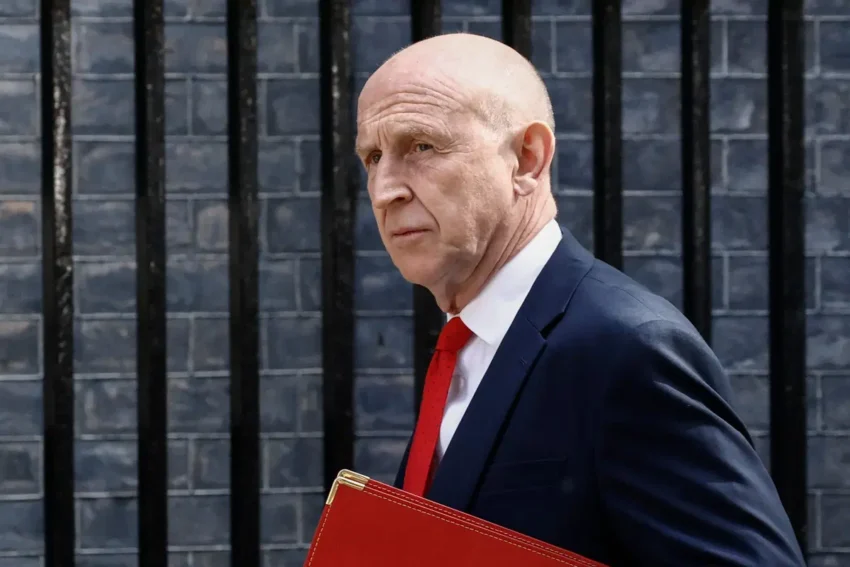
British Defence Secretary John Healey has resigned from Prime Minister Keir Starmer’s government, delivering a scathing criticism of the administration’s defence spending plans and warning that Britain could become less secure under the proposed strategy.
Healey announced his resignation on Thursday, accusing both Prime Minister Starmer and the Treasury of failing to provide the funding needed to strengthen the country’s military capabilities at a time of growing global threats.
In a resignation letter shared publicly, the outgoing defence secretary said he could no longer support a defence investment plan that, in his view, leaves Britain’s armed forces underfunded and ill-prepared for future challenges.
Healey Blames Treasury for Defence Funding Shortfall
According to Healey, discussions over the government’s long-awaited Defence Investment Plan had failed to deliver the level of spending required to adequately protect the country.
“You have been unable, and the Treasury has been unwilling, to commit the resources that the nation needs to defend the country at this time of rising threats,” Healey wrote.
The former defence chief argued that accepting the current proposal would force military leaders to make difficult decisions that could reduce operational readiness and place personnel at greater risk.
He warned that the plan could ultimately leave Britain less safe.
Growing Pressure on Starmer
Healey’s departure represents a significant setback for Prime Minister Starmer, whose government has faced increasing scrutiny over economic challenges, public spending priorities, and internal disagreements within the Labour Party.
The resignation comes just days before a crucial parliamentary by-election that political analysts believe could influence future discussions about Starmer’s leadership.
Although no formal leadership challenge has been launched, speculation has continued to grow regarding potential successors should Labour’s political fortunes worsen.
Defence Spending at the Centre of Dispute
The Labour government has repeatedly pledged to increase military spending in response to growing security concerns across Europe and ongoing pressure from NATO allies.
Starmer previously promised to raise defence spending to 2.5 percent of GDP before eventually targeting higher levels in the years ahead.
However, Healey revealed that the latest version of the Defence Investment Plan would only raise spending to approximately 2.68 percent of GDP by 2030, a figure he believes falls short of what Britain’s armed forces require.
The disagreement highlights growing tensions over how governments should balance defence commitments with economic pressures and public spending demands.
Why This Matters
The resignation of a defence secretary over military funding is a major political development in the United Kingdom.
At a time when NATO members are under pressure to increase defence budgets amid tensions involving Russia and broader global security concerns, Healey’s warning could intensify debate over Britain’s preparedness and strategic priorities.
The development also raises questions about political stability within Starmer’s government as Labour seeks to maintain public confidence ahead of future elections.
Background
Healey has been one of the most prominent figures in the Labour government since the party’s victory in the 2024 general election.
His resignation follows months of reports suggesting disagreements behind closed doors over the size and timing of future defence investments.
The government’s Defence Investment Plan was originally expected to be released in late 2025 but has faced multiple delays.
What Happens Next?
Attention will now turn to who Prime Minister Starmer appoints as Britain’s next defence secretary and whether the government will revise its spending plans before the upcoming NATO summit.
Political observers will also be watching for signs of further unrest within Labour ranks as debates over defence, spending, and leadership continue to dominate British politics.
Author: Daniel Richard | World News Desk
Related Stories: